Imagine waking up to the rich aroma of freshly brewed coffee, ready to transform an ordinary cup into an extraordinary café-quality beverage. The secret often lies in perfectly textured milk – whether it’s the airy foam atop a cappuccino or the velvety microfoam essential for intricate latte art. A reliable milk steamer and frother can bring this luxury right into your kitchen, transforming your daily ritual. This comprehensive guide will explore everything you need to know about these essential coffee accessories, helping you choose the perfect device to craft your dream drinks.
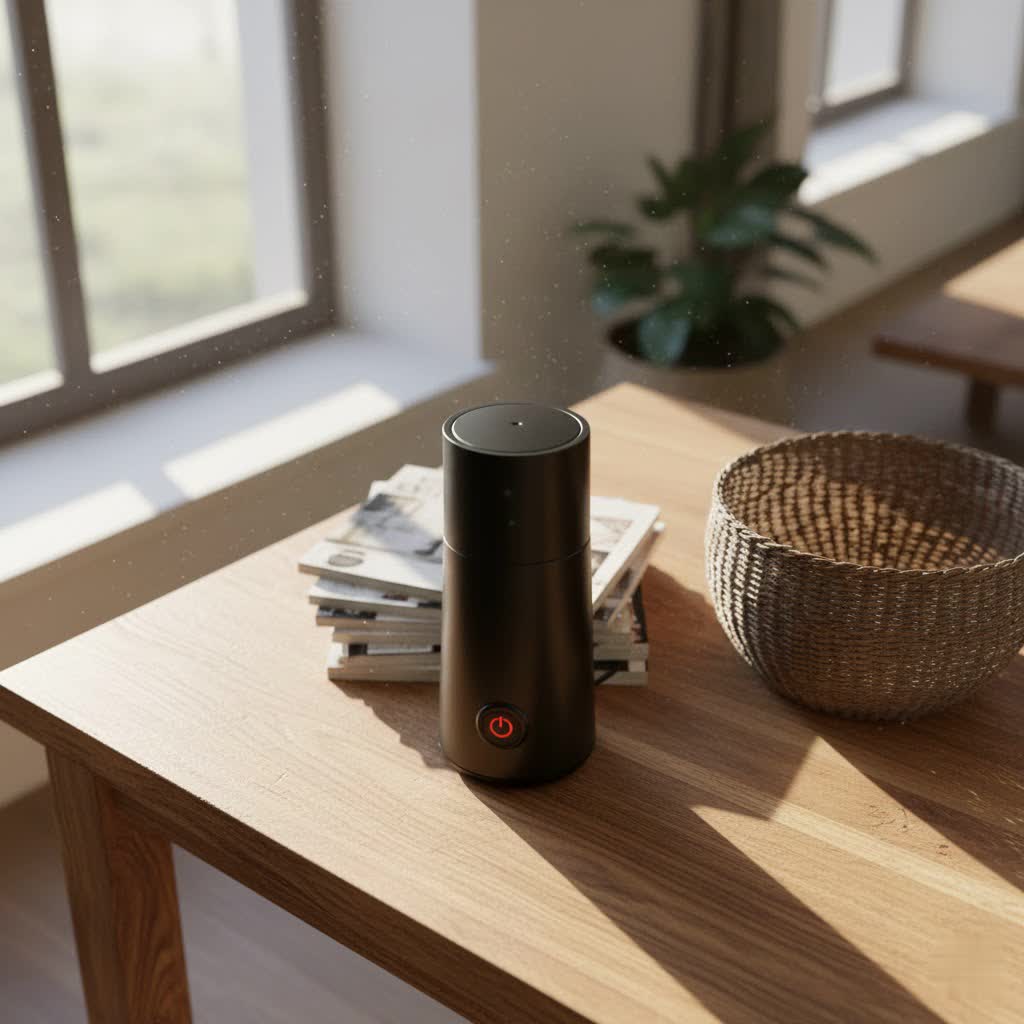
What is a Milk Frother and Why Do You Need One?
At its core, a milk frother is a device designed to introduce air into milk, creating a light, airy, and creamy texture that significantly enhances the sensory experience of your favorite beverages. While traditional coffee brewing focuses on the espresso shot, the milk component is equally vital for many popular drinks. A good milk frother elevates your home coffee bar, allowing you to replicate the textures and tastes typically found in professional cafés.
The benefits extend beyond just aesthetics. Frothing milk creates a delightful mouthfeel, adding richness and depth to your drinks. It also sweetens the milk naturally, as the aeration process can break down lactose into simpler, sweeter sugars when heat is applied. This means you can enjoy delicious, café-style drinks like cappuccinos, lattes, macchiatos, flat whites, and even gourmet hot chocolates without leaving your home, saving both time and money.
Types of Milk Frothers and Steamers
The market offers a diverse range of milk frothing and steaming devices, each with unique features catering to different needs and skill levels. Understanding these types is the first step in finding your perfect match.
Handheld Milk Frothers
These are often the most basic and budget-friendly option. A handheld frother typically consists of a small, battery-operated whisk that you submerge directly into your milk.
- Pros: Inexpensive, highly portable, compact for easy storage, simple to use, and quick to aerate milk. They are excellent for those who want a quick froth without fuss.
- Cons: Require manual effort, generally do not heat the milk (you’ll need to heat it separately), and produce a lighter, airier foam rather than dense microfoam. Consistency can vary based on technique.
- Ideal for: Occasional use, travelers, those on a budget, or anyone needing a swift and simple way to add froth to their coffee or matcha.
|
Our Picks for the Best Milk Frother in 2026
As an Amazon Associate I earn from qualifying purchases.
|
||
| Num | Product | Action |
|---|---|---|
| 1 | Zulay Powerful Milk Frother for Coffee with Upgraded Titanium Motor - Handheld Electric Whisk, Milk Foamer, Mini Mixer & Coffee Blender for Frappe, Latte, Matcha, No Stand - Silver |

|
| 2 | Milk Frother, Paris Rhône 4-in-1 Milk Steamer and Frother, Hot & Cold Foam Milk Warmer with Temperature Control, Auto Shut-Off Frothers for Coffee, Latte, Cappuccino, Macchiato |
|
| 3 | SIMPLETaste Milk Frother Handheld Battery Operated Electric Foam Maker, Drink Mixer with Stainless Steel Whisk and Stand for Cappuccino, Bulletproof Coffee, Latte |
|
| 4 | SIMPLETASTE Milk Frother, 4-in-1 Electric Milk Steamer, Automatic Warm and Cold Foam Maker and Milk Warmer for Latte, Cappuccinos, Macchiato |
|
| 5 | VorChef Commercial Milk Frother, 2500W 110V Automatic Steam Boiling Water Machine Electric Steam Milk Frothing Machine Espresso Coffee Milk Foam Machine Steamer with LED Display for Coffee Tea Shop |
|
| 6 | Milk Frother, COLDFILL 8-in-1 Milk Frother and Steamer, 400ml Large Capacity Hot & Cold Foam Milk Warmer, Frothers for Coffee with Heating Function, Quiet, Dishwasher Safe |
|
| 7 | Zulay Kitchen Powerful Milk Frother Wand With 2 Duracell Batteries - Ultra Fast Handheld Drink Mixer - Electric Whisk Foam Maker for Coffee, Lattes, Cappuccino, Matcha, Hot Chocolate & Creamer - Black |
|
| 8 | Instant Pot Milk Frother, 4-in-1 Electric Milk Steamer, 10oz/295ml Automatic Hot and Cold Foam Maker and Milk Warmer for Latte, Cappuccinos, Macchiato, From the Makers of Instant 500W, Black |
|
| 9 | VIPDIGI 7-IN-1 Milk Frother, 20.3 OZ Milk Frother and Steamer with Temperature Control Stainless Steel Electric Milk Frother Dishwasher Safe Hot and Cold Foam for Latte Hot Chocolate Cocoa (Black) |
|
| 10 | SIMPLETASTE Milk Frother, 4-in-1 Electric Milk Steamer, Automatic Warm and Cold Foam Maker and Milk Warmer for Latte, Cappuccinos, Macchiato |
|
Electric Milk Frothers
Electric milk frothers are countertop appliances that automate the frothing process. Many models also include a heating element, making them highly convenient.
- Pros: Offer automatic heating and frothing, deliver consistent results with minimal effort, often feature multiple settings for hot foam, cold foam, and different foam densities, and are generally easy to operate with the touch of a button.
- Cons: Typically more expensive than handheld models and require dedicated counter space.
- Ideal for: Regular users, those who desire a variety of frothed milk options (hot or cold), and home baristas seeking convenience and consistent quality.
Espresso Machine Steam Wands
For the ultimate in milk texturing, a steam wand attached to an espresso machine is the professional’s choice. These devices use high-pressure steam to simultaneously heat and aerate milk.
- Pros: Capable of producing professional-grade microfoam – a smooth, velvety texture with tiny, uniform bubbles perfect for complex latte art. They offer precise temperature control and are an integrated part of the espresso brewing process.
- Cons: Requires an initial investment in an espresso machine, demands a learning curve to master the technique, and requires manual skill and practice for optimal results.
- Ideal for: Serious home baristas, coffee enthusiasts committed to mastering latte art, and those who desire true café-quality steamed milk.
Milk Frother vs. Steamer: Understanding the Differences
While the terms “milk frother” and “milk steamer” are often used interchangeably, particularly for electric countertop devices that perform both functions, there’s a nuanced difference, especially when considering traditional steam wands.
A milk frother primarily focuses on aeration, introducing air into the milk to create foam. This process can be done hot or cold, leading to various foam textures, from light and airy to dense.
A milk steamer, on the other hand, utilizes high-pressure steam to both heat and texture the milk. The intense heat and pressure from a steam wand break down lactose into simpler sugars, resulting in a naturally sweeter milk and a dense, glossy “microfoam” with very fine bubbles. Many modern electric frothers combine both aeration and heating, effectively acting as a “milk frother and steamer” to produce warm, frothed milk.
Here’s a quick comparison:
| Feature | Handheld Milk Frother | Electric Milk Frother | Espresso Machine Steam Wand |
|---|---|---|---|
| Price | Low | Medium | High (with espresso machine) |
| Foam Texture | Light, airy | Good, various densities | Silky microfoam |
| Speed | Fast | Fast | Very fast |
| Convenience | High | Very High (automated) | Medium (manual skill needed) |
| Heating | No (manual pre-heat) | Yes (integrated) | Yes (integrated) |
| Skill Required | Low | Low | High |
How to Choose the Right Milk Steamer and Frother (Buying Guide)
Selecting the perfect milk frother or steamer involves considering several factors tailored to your lifestyle and coffee preferences.
Assess Your Needs
Before diving into options, think about how you’ll use the device. Do you crave delicate latte art, or simply a dollop of foam for your morning coffee? How often will you use it – daily, weekly, or just occasionally? Consider the types of drinks you enjoy most and whether you primarily use dairy or non-dairy milks, as some devices perform better with alternative milks than others. For example, some models excel with oat milk, creating tight, voluminous foam.
Set Your Budget
Milk frothers and steamers come in a wide price range. Handheld models are the most affordable, typically under $50. Electric frothers range from $50 to $200, offering a balance of features and convenience. If you’re considering an espresso machine with a built-in steam wand, prepare for a significantly higher investment. Determine how much you’re willing to spend to narrow down your choices.
Consider Key Features
Look for features that enhance your experience and match your requirements:
- Hot/Cold Frothing: Many electric models offer both capabilities, essential for iced coffees or cold foam drinks.
- Temperature Control: Some advanced electric frothers allow you to select precise temperatures, which is crucial for optimal sweetness and foam stability.
- Foam Consistency Settings: Multiple whisk attachments or settings can vary foam density, from airy cappuccino foam to smooth latte microfoam.
- Capacity: Ensure the frother can handle the volume of milk you typically need for one or more servings.
- Ease of Cleaning: Look for non-stick interiors, removable parts, or dishwasher-safe components for hassle-free maintenance.
- Quiet Operation: Especially important if you’re an early riser and don’t want to disturb others.
Brand Reputation & Reviews
Investing in a product from a reputable brand often assures quality and reliability. Brands like Breville, Nespresso, and Instant Pot are frequently cited for their performance. Always check user reviews and expert ratings to gain objective insights into a product’s real-world performance and durability.
Top 5 Milk Steamers and Frothers on the Market
Here are some highly-regarded milk steamers and frothers that stand out for their performance and features:
- Instant Pot 4-in-1 Milk Frother and Steamer: This versatile and affordable electric frother is a crowd-favorite. It offers four settings: cold foam, warm thick foam, warm light foam, and hot milk. It’s known for its quiet operation and ability to handle various milk types, including oat milk. It’s an excellent overall choice for daily use.
- Breville Milk Cafe Frother: A premium electric frother, the Breville Milk Cafe is celebrated for its induction heating system, allowing for rapid and consistent temperature. It comes with different frothing disks for latte and cappuccino textures, a variable temperature dial, and a convenient hot chocolate function. It’s particularly good for plant-based milks.
- Nespresso Aeroccino 4 Milk Frother: Compact and stylish, the Aeroccino 4 is known for its one-touch operation and four distinct settings for dense hot foam, airy hot foam, cold foam, and heated milk. It’s incredibly user-friendly and delivers consistent results, though its capacity might be smaller than some competitors.
- Rösle Dual Speed Frother (Handheld): For those preferring a manual approach, the Rösle handheld frother is a top contender. With two speeds, it excels at creating light, creamy, and dense foam quickly in your cup. It’s praised for its comfortable grip and lightweight design, ideal for portability and budget-conscious users.
- Perfect Moose Automatic Milk Steamer: While primarily aimed at professional settings, devices like the Perfect Moose represent the pinnacle of automatic steaming. These systems connect to an espresso machine and intelligently steam milk to precise temperatures and textures using smart pitcher technology, ensuring consistent, barista-quality microfoam for high-volume use or serious enthusiasts.
Tips for Using and Maintaining Your Milk Frother/Steamer
To get the most out of your device and ensure its longevity, follow these usage and maintenance tips.
Best Practices for Perfect Foam
- Always start with cold milk: Cold milk froths more effectively and produces a more stable foam, as the proteins are less likely to break down.
- Don’t overfill: Adhere to the maximum fill lines indicated on your frother. Overfilling can lead to spills and poor frothing results.
- Choose the right milk: While most frothers work with various milk types, full-fat dairy milk generally produces the richest foam. For non-dairy options, “barista blend” alternative milks are specifically formulated to froth well.
- Tap and swirl: For electric frothers, gently tap the jug on the counter after frothing to pop any large air bubbles. Then, swirl the milk to integrate the foam and liquid, creating a glossy, uniform texture.
Cleaning and Care
- Clean immediately: Rinse the frother jug or whisk promptly after each use to prevent milk residue from drying and becoming difficult to remove.
- Check for dishwasher-safe parts: Many electric frothers have removable components that are dishwasher-safe, simplifying cleanup.
- Wipe steam wands: If using an espresso machine steam wand, purge and wipe it immediately after steaming to prevent milk from hardening and blocking the nozzle.
- Descale as needed: For electric frothers with heating elements, periodic descaling may be necessary to remove mineral buildup, especially in areas with hard water.
Troubleshooting Common Issues
- Flat foam: Ensure your milk is cold, you’re not overfilling, and the frother’s whisk is clean and properly inserted. Try a different type of milk.
- Burnt milk taste: This usually happens when milk is overheated. Monitor the temperature, especially with manual methods, or use a frother with precise temperature control.
- Large bubbles: Tap the frother jug gently on the counter and swirl the milk to break down large bubbles and create a finer texture.
Delicious Recipes to Make with Your Milk Frother/Steamer
Your milk frother or steamer opens up a world of delightful beverage possibilities. Here are a few classics to get you started:
- Cappuccino: Combine a shot of espresso with equal parts steamed milk and airy milk foam.
- Latte: Mix a shot of espresso with primarily steamed milk, topped with a thin layer of microfoam, perfect for latte art.
- Flat White: Similar to a latte but with a smaller volume of perfectly integrated steamed milk and a very thin, velvety microfoam layer.
- Macchiato: A shot of espresso “stained” with a dollop of milk foam or a splash of steamed milk.
- Hot Chocolate: Heat and froth your milk with cocoa powder or chocolate shavings for a rich, creamy treat.
- Iced Coffee with Cold Foam: Brew strong coffee, add ice, and top with cold frothed milk for a refreshing and indulgent drink.
Conclusion
A milk steamer and frother is more than just a kitchen gadget; it’s an investment in your daily happiness, transforming mundane coffee routines into luxurious café experiences. From the simplicity of a handheld whisk to the sophisticated automation of an electric jug or the precision of an espresso machine’s steam wand, there’s a perfect device out there for every coffee lover. By understanding the different types, considering your personal needs, and following proper usage and maintenance, you can consistently achieve that coveted creamy texture and sweet flavor. So, which milk frother or steamer will help you craft your next perfect cup?
Frequently Asked Questions
Can I use non-dairy milk in a milk frother or steamer?
Yes, most milk frothers and steamers can be used with non-dairy milks like oat, almond, soy, and coconut. However, results can vary, with “barista blend” alternative milks often performing best due to their optimized protein and fat content for frothing. Experiment with different brands to find your favorite.
What is the ideal temperature for frothed milk?
The ideal temperature range for frothed milk is between 140°F and 160°F (60°C to 70°C). Heating milk within this range brings out its natural sweetness and creates the most stable, delicious foam. Avoid overheating, as it can scald the milk and negatively impact its flavor and texture.
How do I make latte art with a milk frother?
Achieving latte art requires fine, velvety microfoam, typically best produced by an espresso machine’s steam wand or an advanced electric frother designed for precise textures. The key is to integrate the foam and liquid milk thoroughly by tapping and swirling the pitcher before pouring, creating a shiny, paint-like consistency.
Why is my milk foam not thick enough?
Several factors can cause flat or thin foam. Ensure you’re starting with very cold milk and not overfilling the frother. The type of milk (full-fat dairy usually performs best) and the cleanliness of the whisk or frother mechanism also play a role. Check your device’s settings to ensure it’s on the appropriate frothing mode.
