Imagine a bustling cafe where every latte, cappuccino, and macchiato is crowned with perfect, velvety microfoam, consistently delivered with speed and precision. This isn’t just a dream; it’s the reality a commercial milk frother can create for your business. As an essential piece of equipment in any high-volume beverage environment, a commercial milk frother transforms ordinary milk into delightful, frothy creations, enhancing customer satisfaction and streamlining your operations. This comprehensive guide will help you navigate the world of commercial milk frothers, ensuring you choose the ideal machine to elevate your cafe’s offerings and efficiency.
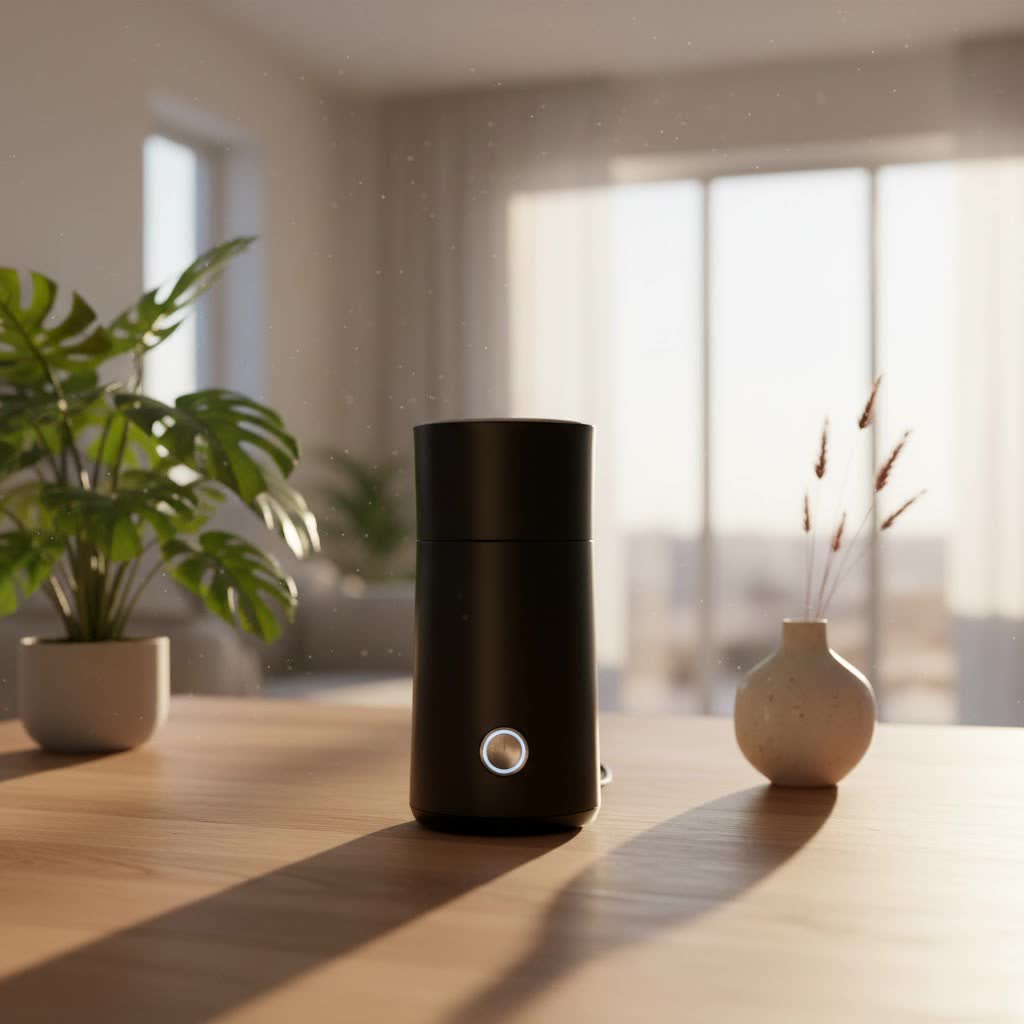
What is a Commercial Milk Frother? Why Do You Need One?
A commercial milk frother is a specialized appliance designed to efficiently steam and froth large quantities of milk for various hot and cold beverages in professional settings like cafes, restaurants, and hotels. Unlike their home counterparts, these machines are built for durability, speed, and exceptional consistency, meeting the rigorous demands of a busy workday.
The benefits of incorporating a dedicated commercial milk frother are manifold. Firstly, they dramatically improve workflow speed and efficiency, allowing baristas to handle multiple orders simultaneously during peak hours. Secondly, these advanced systems ensure consistent froth quality, delivering uniform microfoam essential for stunning latte art and a superior mouthfeel in every drink. This consistency also reduces barista training costs, as less skill is required to achieve perfect results. Furthermore, many commercial frothers are adept at foaming various milk types, including often-tricky plant-based alternatives like oat, almond, and soy, expanding your menu versatility. Ultimately, by providing consistently high-quality beverages, a commercial milk frother helps keep your customers coming back, fostering trust and satisfaction. From classic cappuccinos and smooth lattes to rich macchiatos and indulgent hot chocolates, the right frother can perfect them all. The global commercial fully automatic milk frother market, estimated at USD 501.33 million in 2024, is expected to reach USD 816.30 million by 2032, reflecting a growing demand for such specialized equipment.
Types of Commercial Milk Frothers on the Market
Commercial milk frothers come in several distinct types, each suited to different operational scales and preferences. Understanding these categories is crucial for making an informed investment.
Handheld Milk Frothers
Handheld milk frothers are small, battery-operated wands.
- Pros: They are budget-friendly, exceptionally portable, and require minimal storage space. They are useful for frothing very small batches or for occasional, light use in a commercial setting, perhaps as a backup.
- Cons: For commercial operations, their limitations are significant. They demand manual effort, offer inconsistent results across multiple servings, and have very limited capacity, making them unsuitable for any high-volume environment.
- Best for: Extremely low-volume operations, mobile coffee carts with minimal demand, or as a last-resort backup tool.
|
Our Picks for the Best Milk Frother in 2026
As an Amazon Associate I earn from qualifying purchases.
|
||
| Num | Product | Action |
|---|---|---|
| 1 | Instant Pot Milk Frother, 4-in-1 Electric Milk Steamer, 10oz/295ml Automatic Hot and Cold Foam Maker and Milk Warmer for Latte, Cappuccinos, Macchiato, From the Makers of Instant 500W, Black |

|
| 2 | SIMPLETaste Milk Frother Handheld Battery Operated Electric Foam Maker, Drink Mixer with Stainless Steel Whisk and Stand for Cappuccino, Bulletproof Coffee, Latte |
|
| 3 | Milk Frother, COLDFILL 8-in-1 Milk Frother and Steamer, 400ml Large Capacity Hot & Cold Foam Milk Warmer, Frothers for Coffee with Heating Function, Quiet, Dishwasher Safe |
|
| 4 | VIPDIGI 7-IN-1 Milk Frother, 20.3 OZ Milk Frother and Steamer with Temperature Control Stainless Steel Electric Milk Frother Dishwasher Safe Hot and Cold Foam for Latte Hot Chocolate Cocoa (Black) |
|
| 5 | Zulay Kitchen Powerful Milk Frother Wand With 2 Duracell Batteries - Ultra Fast Handheld Drink Mixer - Electric Whisk Foam Maker for Coffee, Lattes, Cappuccino, Matcha, Hot Chocolate & Creamer - Black |
|
| 6 | SIMPLETASTE Milk Frother, 4-in-1 Electric Milk Steamer, Automatic Warm and Cold Foam Maker and Milk Warmer for Latte, Cappuccinos, Macchiato |
|
| 7 | VorChef Commercial Milk Frother, 2500W 110V Automatic Steam Boiling Water Machine Electric Steam Milk Frothing Machine Espresso Coffee Milk Foam Machine Steamer with LED Display for Coffee Tea Shop |
|
| 8 | Milk Frother, Paris Rhône 4-in-1 Milk Steamer and Frother, Hot & Cold Foam Milk Warmer with Temperature Control, Auto Shut-Off Frothers for Coffee, Latte, Cappuccino, Macchiato |
|
| 9 | SIMPLETASTE Milk Frother, 4-in-1 Electric Milk Steamer, Automatic Warm and Cold Foam Maker and Milk Warmer for Latte, Cappuccinos, Macchiato |
|
| 10 | Zulay Powerful Milk Frother for Coffee with Upgraded Titanium Motor - Handheld Electric Whisk, Milk Foamer, Mini Mixer & Coffee Blender for Frappe, Latte, Matcha, No Stand - Silver |
|
Electric Standalone Milk Frothers
These are self-contained units that heat and froth milk with the push of a button.
- Pros: Electric standalone frothers are much faster and more consistent than handheld models. Many offer multiple frothing modes (e.g., hot foam, cold foam, light foam, dense foam) and often include heating elements. They are generally easier to use than traditional steam wands, requiring less barista skill.
- Cons: They typically have a higher upfront cost than handheld options and require dedicated counter space. Their capacity, while greater than handheld, might still be a limiting factor for extremely busy periods compared to fully automatic systems.
- Best for: Mid-volume cafes, offices, or restaurants seeking a balance of convenience, consistency, and a reasonable price point.
Automatic Milk Frothing Systems
Representing the pinnacle of frothing technology, these systems are often integrated or highly automated.
- Pros: Automatic systems are completely hands-off, delivering perfectly frothed and heated milk consistently. Advanced models feature smart technology, such as RFID recognition for different milk types, ensuring optimal microfoam every time. They offer maximum speed and efficiency for high-volume environments and significantly reduce the need for skilled barista training in frothing techniques. Some can even provide both hot and cold foam.
- Cons: They come with the highest price tag and often have a larger footprint, requiring more counter space or integration into an espresso machine setup.
- Best for: High-traffic cafes, specialty coffee shops, hotels, and professional settings where volume, speed, consistency, and minimal training are paramount. Systems like the Perfect Moose Greg, for instance, are designed to handle demanding workflows and produce award-winning microfoam.
Comparing Commercial Milk Frother Types
| Feature | Handheld Milk Frother | Electric Standalone Frother | Automatic Milk Frothing System |
|---|---|---|---|
| Price | Low | Medium | High |
| Foam Quality | Medium/Inconsistent | Good/Consistent | Excellent/Highly Consistent |
| Speed | Slow | Fast | Very Fast |
| Convenience | High (portability) | High (ease of use) | Very High (hands-free) |
| Modes/Settings | Limited | Moderate (hot/cold foam) | Extensive (temp, texture, milk type) |
| Size | Very Small | Medium | Large |
| Capacity | Very Low | Medium | High |
Your Ultimate Buying Guide for a Commercial Milk Frother
Choosing the right commercial milk frother requires careful consideration of your specific business needs and priorities. Here’s a comprehensive guide to help you make the best decision:
Assess Your Business Needs
Start by evaluating your operational demands.
- Beverage Volume: How many milk-based drinks do you serve daily? High-volume establishments will require a frother with larger capacity and faster operation.
- Menu Variety: Do you offer a wide range of hot and cold milk beverages? Do you cater to customers requesting non-dairy alternatives like oat, almond, or soy milk? Ensure the frother can handle these different requirements effectively.
- Desired Consistency: Is perfect, consistent microfoam for latte art a top priority? Some frothers excel at this more than others.
Budget Allocation
Milk frother prices vary significantly.
- Basic handheld models might be under $20, but they are generally not suitable for commercial use beyond emergency backup.
- Mid-range electric standalone units can range from $50 to $150, offering a good balance of features and performance for moderate volumes.
- Professional-grade commercial systems or integrated solutions typically start from $200 and can go upwards, representing a significant investment for durability and high-volume capacity. Consider the long-term return on investment (ROI) through increased efficiency and customer satisfaction.
Essential Features
Look for features that enhance performance, safety, and ease of use.
- Speed and Capacity: Crucial for managing peak hours. Choose a machine that can quickly process sufficient milk for your busiest periods.
- Temperature Control: Precise temperature control ensures milk is steamed to optimal warmth without scalding, preserving its flavor profile.
- Ease of Cleaning: Models with detachable, dishwasher-safe parts or automated cleaning cycles (like steam purges) will save valuable time and maintain hygiene.
- Durability and Materials: Commercial equipment must withstand heavy use. Look for robust construction, often stainless steel, for longevity.
- Smart Technology: Features like RFID milk recognition, touch displays, and programmable settings can reduce barista workload and improve consistency.
- Safety Features: Anti-scald devices and cool-touch wands protect your staff during busy shifts.
Brand Reputation & Support
Investing in a reputable brand ensures reliability, access to spare parts, and excellent customer service. Well-known brands often offer better warranties and technical support, which is vital for commercial equipment.
Read User Reviews
Consult reviews from other cafe owners and baristas. Their real-world experiences can provide invaluable insights into a frother’s performance, durability, and user-friendliness in a commercial setting. Pay attention to feedback regarding consistency, speed, and ease of maintenance.
Top 3 Commercial Milk Frothers Reviewed
Choosing the “best” often depends on specific needs, but here are a few highly regarded options that exemplify the different categories and offer excellent performance for commercial use:
1. Hanchen Commercial Multi-Purpose Milk Frother: This robust electric frother, sometimes branded as Moonshan, is known for its ability to produce large quantities of silky froth. With powerful heating elements and a high-pressure steam system, it’s designed for rapid output, serving many customers quickly. Some models offer multiple functions, acting as a boiling water machine, tea cream machine, and milk frother. It’s a workhorse ideal for cafes needing consistent steam and froth in high volumes.
2. Perfect Moose Greg Automatic Milk Frother: An award-winning automatic system that represents the cutting edge of frothing technology. The Perfect Moose Greg uses RFID technology to recognize different milk types (dairy, plant-based, mix-based) and automatically creates perfect microfoam without manual intervention. Its touch display guides users, and a hygienic nozzle with obligatory steam flushes ensures easy cleaning. This system dramatically reduces barista training time and guarantees consistent quality, making it a game-changer for high-end cafes focused on precision and efficiency.
3. Breville BMF600XL Milk Cafe Milk Frother: While sometimes seen in advanced home setups, the Breville Milk Cafe can serve as an excellent standalone electric frother for smaller commercial operations or as a reliable backup. It features induction heating for even warmth and an adjustable temperature dial, allowing precise control over milk texture and temperature. Its generous capacity and durable stainless steel construction make it a capable option for businesses that need quality and control without the full automation of higher-end systems.
Tips for Using and Maintaining Your Commercial Milk Frother
To ensure your commercial milk frother operates at its peak performance and lasts for years, proper usage and maintenance are key.
Perfecting Your Froth
- Use Cold Milk: Always start with chilled milk directly from the refrigerator. Cold milk provides a longer working time to incorporate air and achieve the desired microfoam.
- Fill to the Right Level: Overfilling can lead to spills and inconsistent froth, while underfilling might not produce enough foam. Adhere to the manufacturer’s recommended minimum and maximum fill lines.
- Experiment with Milk Types: Different milks (whole, skim, oat, almond, soy) froth differently. Whole milk generally yields the creamiest, most stable foam. For plant-based milks, “barista blend” versions are often formulated to froth better. Adjust settings or techniques as needed.
- Optimal Temperature: Aim for milk heated between 140-155°F (60-68°C). Anything hotter can scald the milk, altering its taste and texture.
Cleaning and Care
- Immediate Cleaning: The most crucial rule is to clean your frother immediately after each use. Dried milk is difficult to remove and can harbor bacteria.
- Wipe Down Wands: If your frother has a steam wand, purge it with steam and wipe it with a damp cloth after every use to prevent milk buildup.
- Disassemble and Wash: For electric and automatic frothers, detach any removable parts (jugs, whisks, lids) and wash them with warm, soapy water. Many are dishwasher-safe, but always check the manual.
- Descaling: Over time, mineral deposits can build up, especially in heating elements. Follow the manufacturer’s descaling instructions regularly using appropriate descaling solutions to maintain efficiency and extend lifespan.
Troubleshooting Common Issues
- Inconsistent Foam: Ensure you’re using fresh, cold milk and not overfilling. Check if the whisk or frothing mechanism is clean and properly assembled.
- Milk Not Heating: Verify the power connection and check if heating elements are clean and free of scale.
- Excessive Noise: This could indicate loose parts or a need for descaling. Consult your manual for specific troubleshooting steps.
Delicious Drinks to Craft with Your Commercial Milk Frother
A quality commercial milk frother opens up a world of possibilities for your cafe’s menu. Beyond the classics, you can experiment with creative and popular beverages:
- Cappuccino: Equal parts espresso, steamed milk, and a thick layer of airy foam.
- Latte: A shot of espresso with richly steamed milk and a thin layer of microfoam, perfect for latte art.
- Macchiato: Espresso “marked” with a dollop of foamed milk.
- Flat White: Similar to a latte but with a thinner, velvety microfoam and no distinct layers, focusing on milk-espresso integration.
- Mocha: Chocolate syrup or powder mixed with espresso, steamed milk, and a layer of foam, often topped with whipped cream or cocoa powder.
- Chai Latte: Spiced black tea concentrate blended with steamed milk and a light foam.
- Hot Chocolate: Rich chocolate mixed with steamed milk and topped with foam or whipped cream.
- Cold Foam Coffees: A popular trend, create aerated cold milk foam to top iced coffees and other chilled beverages for a luxurious texture.
Conclusion
Investing in the right commercial milk frother is more than just buying a piece of equipment; it’s about investing in your cafe’s efficiency, consistency, and ultimately, its reputation. From the speed and reliability of electric standalone units to the precision and automation of advanced systems, there’s a frother designed to meet the unique demands of your business. By understanding the types, considering key features, and prioritizing proper maintenance, you can ensure every cup served is a masterpiece of creamy, perfectly frothed milk. Are you ready to transform your coffee service and delight every customer with consistently perfect beverages?
Frequently Asked Questions
What’s the main difference between a home and a commercial milk frother?
Commercial milk frothers are built for higher volume, speed, and durability, often featuring advanced temperature control and consistent microfoam production for numerous daily servings. Home frothers are designed for occasional, lighter use, with less emphasis on rapid throughput and continuous operation.
Can commercial milk frothers handle plant-based milks effectively?
Yes, many modern commercial milk frothers are specifically designed to handle various plant-based milks, such as oat, almond, and soy, often with specialized settings or smart technology to achieve optimal froth consistency and texture. Always check product specifications for compatibility.
How often should I clean my commercial milk frother?
For hygiene and optimal performance, it is crucial to clean your commercial milk frother immediately after each use. A thorough daily cleaning of all milk contact parts is recommended, and periodic deep cleaning or descaling should be performed as per the manufacturer’s instructions.
