For many coffee enthusiasts, the aroma of freshly brewed espresso is only half the indulgence. The true magic often lies in the perfectly frothed milk, transforming a simple coffee into a luxurious, café-quality beverage. If you’ve ever admired the silky microfoam atop a latte or the intricate designs of latte art, you’re looking at the mastery of a Steam Wand Milk Frother. This essential tool for any aspiring home barista is the key to unlocking a world of creamy, delicious coffee creations. But what exactly is a steam wand, how does it work, and why should it be your go-to for elevating your daily brew? Let’s dive into the art and science of achieving perfect frothed milk.
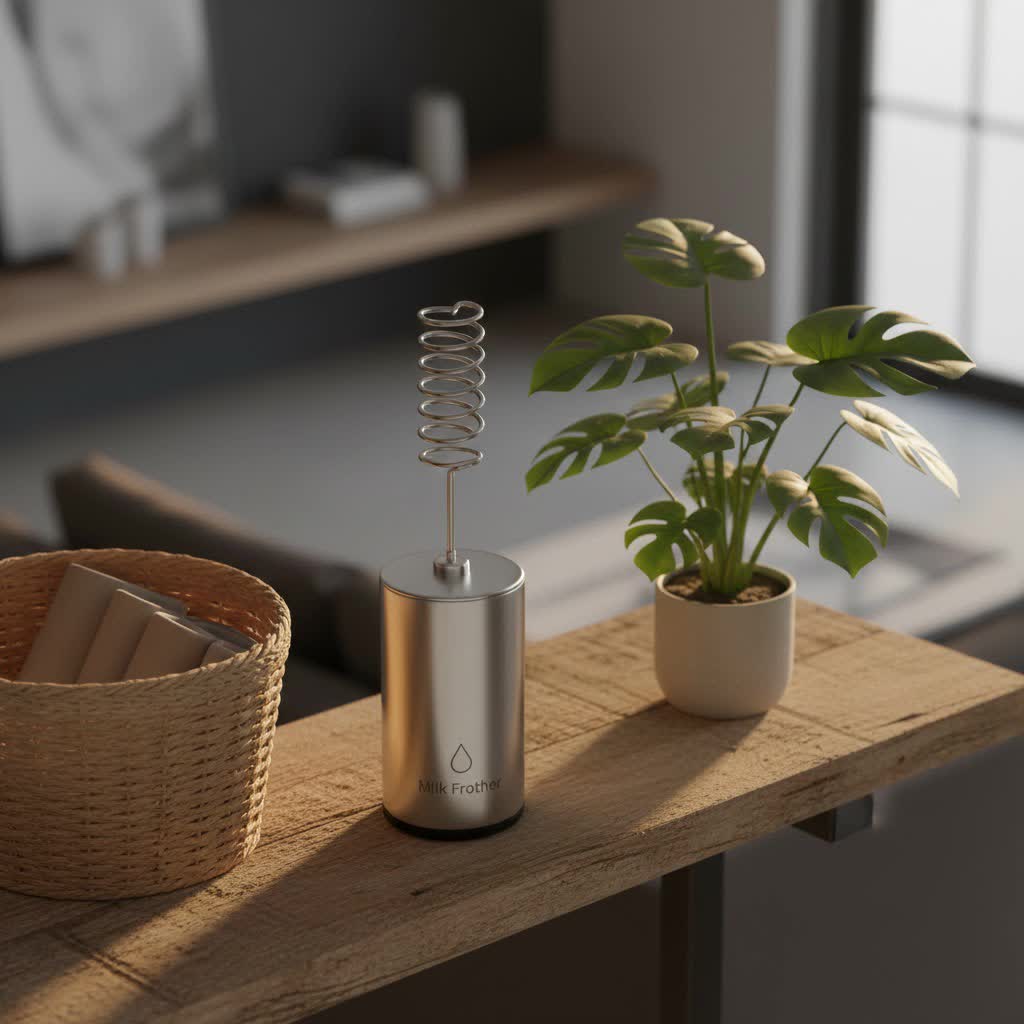
What is a Steam Wand Milk Frother and Why Do You Need One?
A steam wand milk frother, often simply called a milk steamer or steam arm, is an integral component of most espresso machines. Unlike standalone frothers that use mechanical whisking, a steam wand utilizes pressurized steam to simultaneously heat and texture milk. This process introduces air into the milk while gently warming it, creating thousands of tiny, uniform bubbles known as microfoam.
The primary benefit of a steam wand lies in its ability to produce this velvety microfoam. This isn’t just about creating volume; it’s about transforming the milk’s texture into a rich, sweet, and smooth liquid that seamlessly integrates with espresso. The result is a more balanced and flavorful drink, where the milk’s inherent sweetness is enhanced by the steaming process. This superior texture is also what allows skilled baristas to pour intricate latte art, turning each drink into a small masterpiece. Whether you crave a classic cappuccino, a creamy latte, a robust macchiato, or a silky flat white, a steam wand is indispensable for achieving authentic, high-quality coffee house beverages right in your own kitchen.
Understanding the Different Types of Milk Frothing
While a steam wand is the pinnacle for professional-grade frothing, it’s helpful to understand the landscape of milk frothing devices available, each with its own advantages and ideal use cases.
Steam Wand Milk Frothers
Integrated into espresso machines, steam wands are the preferred choice for baristas and serious coffee lovers. They deliver unparalleled control over both the milk’s temperature and texture, allowing for the creation of delicate microfoam.
- Pros: Produces superior, velvety microfoam; ideal for latte art; offers precise control over milk temperature and texture; integrated with high-quality espresso machines.
- Cons: Requires an espresso machine, which can be a significant investment; has a steeper learning curve, demanding practice and technique; requires manual effort.
- Best for: Home baristas dedicated to perfecting their craft, enthusiasts who enjoy latte art, and professional coffee shop environments.
|
Our Picks for the Best Milk Frother in 2026
As an Amazon Associate I earn from qualifying purchases.
|
||
| Num | Product | Action |
|---|---|---|
| 1 | VIPDIGI 7-IN-1 Milk Frother, 20.3 OZ Milk Frother and Steamer with Temperature Control Stainless Steel Electric Milk Frother Dishwasher Safe Hot and Cold Foam for Latte Hot Chocolate Cocoa (Black) |

|
| 2 | Zulay Powerful Milk Frother for Coffee with Upgraded Titanium Motor - Handheld Electric Whisk, Milk Foamer, Mini Mixer & Coffee Blender for Frappe, Latte, Matcha, No Stand - Silver |
|
| 3 | SIMPLETaste Milk Frother Handheld Battery Operated Electric Foam Maker, Drink Mixer with Stainless Steel Whisk and Stand for Cappuccino, Bulletproof Coffee, Latte |
|
| 4 | Milk Frother, Paris Rhône 4-in-1 Milk Steamer and Frother, Hot & Cold Foam Milk Warmer with Temperature Control, Auto Shut-Off Frothers for Coffee, Latte, Cappuccino, Macchiato |
|
| 5 | Zulay Kitchen Powerful Milk Frother Wand With 2 Duracell Batteries - Ultra Fast Handheld Drink Mixer - Electric Whisk Foam Maker for Coffee, Lattes, Cappuccino, Matcha, Hot Chocolate & Creamer - Black |
|
| 6 | SIMPLETASTE Milk Frother, 4-in-1 Electric Milk Steamer, Automatic Warm and Cold Foam Maker and Milk Warmer for Latte, Cappuccinos, Macchiato |
|
| 7 | Instant Pot Milk Frother, 4-in-1 Electric Milk Steamer, 10oz/295ml Automatic Hot and Cold Foam Maker and Milk Warmer for Latte, Cappuccinos, Macchiato, From the Makers of Instant 500W, Black |
|
| 8 | VorChef Commercial Milk Frother, 2500W 110V Automatic Steam Boiling Water Machine Electric Steam Milk Frothing Machine Espresso Coffee Milk Foam Machine Steamer with LED Display for Coffee Tea Shop |
|
| 9 | Milk Frother, COLDFILL 8-in-1 Milk Frother and Steamer, 400ml Large Capacity Hot & Cold Foam Milk Warmer, Frothers for Coffee with Heating Function, Quiet, Dishwasher Safe |
|
| 10 | SIMPLETASTE Milk Frother, 4-in-1 Electric Milk Steamer, Automatic Warm and Cold Foam Maker and Milk Warmer for Latte, Cappuccinos, Macchiato |
|
Electric Milk Frothers
These are countertop appliances that automate the frothing and heating process at the touch of a button. They are popular for their convenience and consistency.
- Pros: Extremely easy to use with a low learning curve; provides consistent results with minimal effort; often heats and froths milk automatically; many models are standalone units.
- Cons: Offers less control over the final foam texture compared to a steam wand; typically does not produce the fine microfoam necessary for intricate latte art; can be bulky for some kitchen spaces.
- Best for: Individuals seeking convenience and speed for daily lattes, hot chocolates, or other foamy drinks; beginners to milk frothing.
Handheld Milk Frothers
A battery-operated whisk, handheld frothers are the simplest and most budget-friendly option for creating foam.
- Pros: Very affordable and highly portable; straightforward and easy to use; excellent for adding a quick, light foam to hot or cold beverages.
- Cons: Does not heat the milk, requiring separate warming; produces a looser, airier foam with larger bubbles, not true microfoam; less consistent results.
- Best for: Budget-conscious users, occasional frothing, travel, or for adding a quick foam to protein shakes or matcha.
Steam Wand Milk Frother vs. Other Frothers: A Comparison
Choosing the right milk frothing tool depends on your priorities, skill level, and budget. Here’s a comparative overview:
| Feature | Steam Wand Milk Frother | Electric Milk Frother | Handheld Milk Frother |
|---|---|---|---|
| Price | High (requires espresso machine) | Medium | Low |
| Foam Quality | Excellent (microfoam, velvety) | Good (light to thick foam) | Basic (airy bubbles) |
| Speed | Medium (manual skill) | Fast (automatic) | Fast (manual whisking) |
| Control | High (temperature, texture) | Low (pre-set) | Medium (whisking depth) |
| Heating | Yes (integrated) | Yes (integrated) | No (requires separate heat) |
| Latte Art | Excellent | Poor | Poor |
| Learning Curve | High | Very Low | Low |
| Size | Part of espresso machine | Countertop appliance | Compact, portable |
Your Buying Guide to the Perfect Steam Wand Setup
Investing in a steam wand setup means committing to a higher level of coffee craftsmanship. Here’s what to consider to make the right choice:
Assess Your Coffee Needs
Start by envisioning your ideal coffee routine. Are you aspiring to create daily lattes with intricate designs, or do you simply want the occasional creamy cappuccino? Your desired frequency and complexity of drinks will heavily influence your choice. If latte art and truly professional textures are your goal, a steam wand is essential.
Consider Your Espresso Machine
Steam wands are typically integrated into espresso machines. Therefore, your decision often revolves around selecting a suitable espresso machine. Many machines, from entry-level to high-end, include a steam wand. Evaluate the machine’s overall quality, steam power, and the type of wand it offers (e.g., a multi-hole tip for powerful steaming or a pannarello wand for easier, but less controlled, frothing).
Budget Allocation
A high-quality espresso machine with a capable steam wand represents a more significant investment than a standalone electric frother. Be prepared for this upfront cost, understanding that it’s an investment in superior coffee quality and the rewarding skill of manual milk steaming. Prices can range widely, so research thoroughly to find a machine that fits your financial comfort while meeting your quality expectations.
Features and Performance
Look beyond just the presence of a steam wand. Consider factors like steam pressure and recovery time – a powerful, consistent steam output is crucial for effective frothing. Some wands offer a 360-degree swivel for easier manipulation of the milk pitcher. The material of the wand (stainless steel is common and durable) and ease of cleaning are also practical considerations for long-term use.
Read Expert Reviews and User Feedback
Before making a significant purchase, delve into reviews from coffee experts and existing users. These insights can provide valuable information on a machine’s steam wand performance, its ease of use, durability, and overall satisfaction. Pay attention to comments regarding milk texture, temperature consistency, and the learning curve involved.
Mastering Your Steam Wand: Tips for Perfect Milk Frothing
Achieving silky microfoam with a steam wand is a skill that takes practice, but the rewards are well worth the effort. Here’s a step-by-step guide to help you master the art:
- Start Cold: Always begin with fresh, cold milk and a cold stainless steel milk pitcher. Cold milk gives you more time to work with the steam, allowing for better aeration and texturing.
- Purge the Wand: Before placing the wand in the milk, briefly open the steam valve to release any condensed water. This ensures you’re introducing pure steam, not water, into your milk. Do this immediately after steaming as well to clean out any milk residue.
- Proper Fill Level: Fill your pitcher about one-third to halfway with milk. This leaves enough room for the milk to expand as it froths.
The Art of Aeration (Stretching)
This is the initial phase where you introduce air into the milk to create foam.
- Submerge the tip of the steam wand just below the surface of the milk. You should hear a gentle “tearing paper” or “sucking” sound.
- Keep the tip at this shallow depth for a few seconds, allowing air to be incorporated. The milk volume will begin to increase.
- The duration of this step depends on the drink: for a latte, aerate for 1-3 seconds; for a cappuccino, aim for 6-8 seconds to create more foam. For a flat white, you want minimal aeration to achieve a thin layer of microfoam.
The Science of Texturing (Heating)
Once enough air is incorporated, you move to the texturing phase, where the air bubbles are broken down into microfoam and the milk is heated.
- Lower the pitcher slightly, submerging the steam wand deeper into the milk.
- Position the wand to create a gentle whirlpool or vortex in the milk. This swirling action helps distribute the air evenly and breaks down larger bubbles into fine microfoam.
- Continue steaming until the pitcher becomes almost too hot to touch. The ideal milk temperature for most drinks is between 60-70°C (140-160°F). Overheating the milk can burn it and negatively impact the taste.
- Grooming the Milk: Once steamed, tap the pitcher gently on the countertop to release any remaining large air bubbles. Then, swirl the milk continuously until you pour to keep the foam and liquid integrated, giving it a glossy, “wet paint” appearance.
Common mistakes and troubleshooting:
- Too many large bubbles: You aerated for too long or didn’t submerge the wand deep enough during texturing.
- No foam/watery milk: Not enough aeration, or the wand was too deep from the start.
- Burnt taste: Overheated milk. Monitor the pitcher’s temperature carefully.
Delicious Recipes to Elevate Your Coffee with a Steam Wand
With a perfectly frothed pitcher of milk, you’re ready to create a variety of beloved coffeehouse classics.
- Classic Cappuccino: Start with a shot of rich espresso. Gently pour the textured milk, holding back the thickest foam with a spoon, then spoon a generous dollop of the airy foam on top. Finish with a sprinkle of cocoa powder.
- Velvety Latte: Combine your espresso shot(s) with beautifully textured milk, focusing on a smooth, even pour to create a thin layer of microfoam and, if skilled, stunning latte art.
- Rich Flat White: The key here is a thin, velvety microfoam seamlessly integrated with the espresso. Pour the milk from a low height, allowing the milk and espresso to combine smoothly, creating a uniform texture throughout.
- Creamy Macchiato: This drink highlights the espresso. Pour a small amount of steamed milk over your espresso, topped with a spoon of foam.
- Hot Chocolate: Elevate your hot chocolate by using steamed milk instead of plain hot milk. The creamy texture enhances the richness of the chocolate, making it a comforting treat.
Conclusion
The steam wand milk frother stands as a testament to the art and science of coffee making, offering an unparalleled path to crafting café-quality beverages at home. While it demands a degree of practice and patience, the reward is a transformative experience, yielding velvety microfoam that elevates both the flavor and visual appeal of your drinks. By understanding the nuances of aeration and texturing, and with consistent cleaning and maintenance, your steam wand will become an indispensable tool in your pursuit of the perfect cup. Embrace the journey, experiment with different milks, and soon you’ll be pouring lattes and cappuccinos that not only taste exquisite but also look stunning.
What exquisite coffee creation will you master first with your newly honed steam wand skills?
Frequently Asked Questions
What is microfoam and why is it important?
Microfoam refers to milk foam with very small, uniform, and stable air bubbles, giving it a velvety, glossy texture. It’s crucial for latte art and enhances the mouthfeel and sweetness of coffee drinks, allowing the milk to blend perfectly with the espresso without separation.
Can I use non-dairy milk with a steam wand?
Yes, many non-dairy milks can be frothed with a steam wand. Oat milk (especially barista blends) and almond milk often yield good results. However, plant-based milks may behave differently than dairy milk, sometimes producing less stable foam or requiring specific techniques.
How do I clean my steam wand properly?
Immediately after each use, purge the steam wand for a second or two to clear out any milk residue from inside. Then, wipe the exterior of the wand thoroughly with a clean, damp cloth. Regular cleaning prevents milk buildup, which can block the steam holes and harbor bacteria.
What’s the ideal temperature for steamed milk?
The ideal temperature for steamed milk is generally between 60-70°C (140-160°F). Heating milk beyond this range can scorch it, leading to a burnt taste and a breakdown of the milk’s proteins, which affects foam quality and sweetness.
How long does it take to learn to use a steam wand?
Mastering a steam wand takes practice, often several weeks or even months of consistent effort. While you can achieve decent foam relatively quickly, perfecting microfoam and latte art requires dedication to understanding milk dynamics, wand positioning, and temperature control.
