Imagine starting your day with a perfectly frothed latte or a rich, creamy cappuccino, all crafted in the comfort of your own kitchen. For many coffee lovers, this dream is now a reality thanks to advanced espresso makers equipped with integrated milk frothers. These versatile machines transform your home into a personal cafe, offering the convenience and quality typically reserved for professional baristas. This comprehensive guide will walk you through everything you need to know about espresso makers with milk frothers, from understanding different types and features to selecting the ideal machine for your lifestyle and even mastering a few signature drinks. Get ready to elevate your daily coffee ritual and explore the world of delightful milk-based espresso beverages.
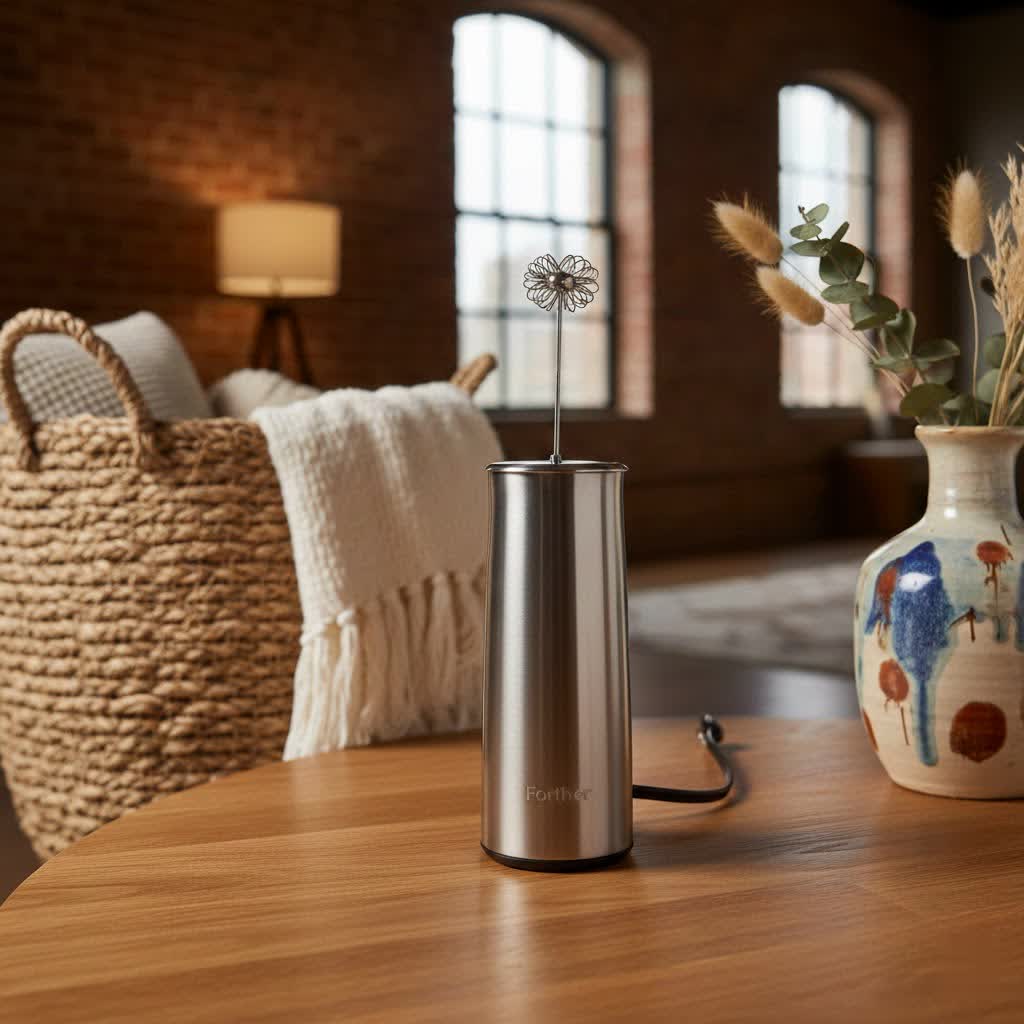
What is an Espresso Maker with Milk Frother, and Why Do You Need One?
An espresso maker with a milk frother is a kitchen appliance designed to brew concentrated coffee (espresso) and simultaneously, or sequentially, steam and froth milk to create a variety of specialty coffee drinks. The “frother” component is essential for transforming cold milk into a velvety microfoam or airy froth, which is a hallmark of beverages like cappuccinos and lattes. Owning such a machine brings numerous advantages to your home.
Firstly, it delivers unparalleled convenience, allowing you to bypass daily trips to the coffee shop and save significant time and money. Secondly, it offers the ability to customize your drinks precisely to your taste, controlling milk temperature, froth consistency, and coffee strength. Beyond the practical benefits, there’s an undeniable satisfaction in crafting a beautiful, barista-quality beverage for yourself and your guests. These machines are your gateway to a world of delicious milk-based drinks, including rich cappuccinos, smooth lattes, bold macchiatos, and delicate flat whites, all from your countertop.
Popular Types of Milk Frothing Systems in Espresso Makers
The milk frother is a critical component that distinguishes these machines, and different systems offer varying levels of control, convenience, and performance. Understanding these types will help you choose the best fit for your coffee-making style.
Manual Steam Wands
Manual steam wands are the traditional choice, commonly found on semi-automatic espresso machines. They consist of a metal wand that dispenses high-pressure steam into a milk pitcher. This method requires significant skill and practice to master, as you manually control the angle, depth, and duration of the wand in the milk to achieve the desired texture and temperature.
- Pros: Offers ultimate control over milk texture, allowing for dense microfoam perfect for intricate latte art. It provides an authentic barista experience and is often present on durable, high-performance machines.
- Cons: Comes with a steep learning curve. Achieving consistent results requires practice, and it can be slower than automated options, especially when making multiple drinks.
- Best for: Coffee enthusiasts who enjoy the craft of espresso making, value precise control, and aspire to create beautiful latte art. Examples include the steam wands found on many semi-automatic machines like the Breville Barista Express or De’Longhi Stilosa.
|
Our Picks for the Best Milk Frother in 2026
As an Amazon Associate I earn from qualifying purchases.
|
||
| Num | Product | Action |
|---|---|---|
| 1 | SIMPLETASTE Milk Frother, 4-in-1 Electric Milk Steamer, Automatic Warm and Cold Foam Maker and Milk Warmer for Latte, Cappuccinos, Macchiato |

|
| 2 | Milk Frother, Paris Rhône 4-in-1 Milk Steamer and Frother, Hot & Cold Foam Milk Warmer with Temperature Control, Auto Shut-Off Frothers for Coffee, Latte, Cappuccino, Macchiato |
|
| 3 | Instant Pot Milk Frother, 4-in-1 Electric Milk Steamer, 10oz/295ml Automatic Hot and Cold Foam Maker and Milk Warmer for Latte, Cappuccinos, Macchiato, From the Makers of Instant 500W, Black |
|
| 4 | Zulay Powerful Milk Frother for Coffee with Upgraded Titanium Motor - Handheld Electric Whisk, Milk Foamer, Mini Mixer & Coffee Blender for Frappe, Latte, Matcha, No Stand - Silver |
|
| 5 | Milk Frother, COLDFILL 8-in-1 Milk Frother and Steamer, 400ml Large Capacity Hot & Cold Foam Milk Warmer, Frothers for Coffee with Heating Function, Quiet, Dishwasher Safe |
|
| 6 | SIMPLETaste Milk Frother Handheld Battery Operated Electric Foam Maker, Drink Mixer with Stainless Steel Whisk and Stand for Cappuccino, Bulletproof Coffee, Latte |
|
| 7 | Zulay Kitchen Powerful Milk Frother Wand With 2 Duracell Batteries - Ultra Fast Handheld Drink Mixer - Electric Whisk Foam Maker for Coffee, Lattes, Cappuccino, Matcha, Hot Chocolate & Creamer - Black |
|
| 8 | SIMPLETASTE Milk Frother, 4-in-1 Electric Milk Steamer, Automatic Warm and Cold Foam Maker and Milk Warmer for Latte, Cappuccinos, Macchiato |
|
| 9 | VorChef Commercial Milk Frother, 2500W 110V Automatic Steam Boiling Water Machine Electric Steam Milk Frothing Machine Espresso Coffee Milk Foam Machine Steamer with LED Display for Coffee Tea Shop |
|
| 10 | VIPDIGI 7-IN-1 Milk Frother, 20.3 OZ Milk Frother and Steamer with Temperature Control Stainless Steel Electric Milk Frother Dishwasher Safe Hot and Cold Foam for Latte Hot Chocolate Cocoa (Black) |
|
Automatic Steam Wands
An evolution of the manual wand, automatic steam wands simplify the frothing process while retaining some control. These wands often feature sensors that automatically stop steaming once the milk reaches a preset temperature and texture. You still place the wand into a milk pitcher, but the machine handles the timing, reducing the guesswork.
- Pros: Significantly easier to use than manual wands, offering consistent milk texture with less effort. They heat up quickly and allow for some level of customization for frothiness and temperature.
- Cons: While more automated, they may not offer the same nuanced control for highly advanced latte art compared to a skilled manual user.
- Best for: Busy individuals who want quality frothed milk without the extensive learning curve of a fully manual system. The Breville Bambino Plus is a prime example, known for its intuitive automatic steam wand.
Carafe Systems (Integrated Automatic Milk Frothers)
Carafe systems are a feature of many super-automatic espresso machines, designed for ultimate one-touch convenience. These systems typically involve a detachable milk carafe that connects to the machine. At the press of a button, the machine automatically siphons milk from the carafe, steams it, and dispenses frothed milk directly into your cup.
- Pros: Provides true one-touch beverage creation, making it incredibly fast and simple to prepare lattes and cappuccinos. The consistency of the froth is usually very reliable. Many carafes are also designed for easy storage in the refrigerator.
- Cons: Offers no manual control over milk texture, making latte art nearly impossible. The carafe itself requires regular cleaning to prevent milk residue buildup.
- Best for: Users who prioritize maximum convenience and speed, or families with diverse drink preferences, such as the De’Longhi Dinamica Plus or Philips 3200 LatteGo systems.
Fully Integrated Frothers (Tube-fed)
Similar to carafe systems, fully integrated frothers are often found in premium super-automatic machines. Instead of a removable carafe, these systems draw milk directly from an external container (like a milk carton or a separate jug) via a tube, froth it internally, and dispense it. Some offer advanced options to adjust milk density.
- Pros: Extremely convenient with fully automated dispensing and often quieter operation. They can be very effective at creating a range of pre-programmed drinks.
- Cons: Generally do not allow for latte art and can sometimes involve proprietary parts, potentially limiting milk customization options for specific alternative milks.
- Best for: Those seeking premium convenience and a wide variety of pre-programmed beverages with minimal interaction, such as Jura E8 or SAECO Xelsis machines.
Comparing Espresso Makers with Milk Frothers
Choosing the right espresso machine with a milk frother involves weighing various factors, especially the type of frothing system. Here’s a comparative overview to help you make an informed decision:
| Feature / Type | Manual Steam Wand | Automatic Steam Wand | Carafe System |
|---|---|---|---|
| Control over Milk | High (Barista skill) | Good (Automated texture) | Low (Preset textures) |
| Latte Art Potential | Very High | Possible with practice | Not possible |
| Ease of Use | Low (Learning curve) | Medium (One-touch steam) | High (One-touch drink) |
| Speed | Medium (Practice needed) | Fast | Very Fast |
| Cleaning | Manual wand wipe | Auto purge + wipe | Carafe cleaning required |
| Typical Machine Type | Semi-automatic | Semi-auto / Premium Auto | Super-automatic |
| Price Range | ~$150 – $1500+ | ~$500 – $2500+ | ~$800 – $2500+ |
How to Choose the Perfect Espresso Maker with Milk Frother (Buying Guide)
Selecting the ideal espresso machine with a milk frother depends on your personal preferences, budget, and how you envision your coffee-making routine. Consider these key factors before making your investment:
Your Coffee Habits & Latte Art Aspirations
Start by reflecting on how you’ll use the machine. Are you looking for a quick, effortless morning brew, or do you enjoy the ritualistic process of crafting each cup? If you dream of creating beautiful latte art, a machine with a manual or an automatic steam wand that offers some control over milk texture will be crucial. For those who prioritize speed and simplicity, especially during a morning rush, super-automatic machines with carafe systems or fully integrated frothers are often the best choice. Consider the frequency of use and the variety of milk-based drinks you intend to make.
Budget Considerations
Espresso makers with milk frothers come in a wide price range, from a few hundred dollars for entry-level models to several thousand for high-end, professional-grade machines. Determine how much you’re willing to invest, keeping in mind that higher prices often correlate with greater automation, durability, and customization options. Don’t forget to factor in potential additional costs, such as a separate burr grinder if your chosen machine doesn’t have one built-in, or quality milk pitchers and cleaning supplies.
Key Features to Look For
- Grinder: Some machines come with integrated burr grinders, offering ultimate convenience by grinding fresh beans on demand. While convenient, many coffee enthusiasts prefer a separate, high-quality burr grinder for more control over grind consistency.
- Heating System: The type of heating system impacts performance. Dual boiler systems have separate boilers for brewing and steaming, allowing you to pull shots and froth milk simultaneously without temperature fluctuations—ideal for back-to-back milk drinks. Thermoblock or ThermoJet® systems heat water on demand, offering rapid heat-up times but typically require a brief pause between brewing and steaming. A PID (Proportional-Integral-Derivative) controller is a desirable feature for stable brew temperature control, ensuring consistent espresso extraction.
- Pressure: Espresso is extracted by forcing hot water through finely ground coffee under pressure. While some machines boast up to 19 bars of pressure, a good espresso shot is typically achieved at around 9 bars. Most quality home machines are regulated to operate within this optimal range.
- Water Tank Capacity: A larger water tank means fewer refills, which is a significant convenience, especially for households with multiple coffee drinkers or those who entertain frequently.
- Size & Footprint: Espresso machines can vary considerably in size. Measure your available countertop space to ensure the machine you choose fits comfortably without cluttering your kitchen.
- Ease of Cleaning & Maintenance: Look for features like removable drip trays, accessible water tanks, and automatic cleaning cycles for steam wands or milk systems. Regular cleaning and descaling are essential for extending the life of your machine and maintaining coffee quality.
Brand Reputation and Reviews
Research reputable brands known for quality espresso machines and milk frothers. Brands like Breville, De’Longhi, Jura, Philips, and Gaggia consistently receive positive reviews for their performance and reliability. Reading user reviews and expert assessments can provide valuable insights into a machine’s real-world performance, ease of use, and common issues.
Top Espresso Makers with Milk Frothers: Reviews
Based on extensive research and user feedback, here are some top-performing espresso makers with integrated milk frothers, catering to different needs and budgets:
- Breville Barista Express: This semi-automatic machine is a long-standing favorite for aspiring home baristas. It features a built-in conical burr grinder and a manual steam wand, offering both automatic and manual operation. It provides excellent control over espresso extraction and milk frothing, making it ideal for those who want to learn the craft. While the manual frother requires practice, the overall quality for the price is exceptional.
- Breville Bambino Plus: Perfect for beginners and those with limited counter space, the Bambino Plus is a compact semi-automatic machine that heats up in just three seconds. Its automatic steam wand simplifies milk frothing, producing silky microfoam with intuitive temperature and texture control. It delivers consistent espresso shots and frothed milk with minimal effort, making it a great entry point into home espresso.
- De’Longhi Dinamica Plus: For ultimate convenience, the Dinamica Plus is a super-automatic espresso machine with a LatteCrema carafe system. It offers true one-touch beverage preparation, grinding beans, brewing espresso, and frothing milk directly into your cup. With adjustable foam density and a self-cleaning carafe, it’s ideal for busy households seeking consistent, high-quality milk-based drinks without the manual effort.
- Breville Oracle Touch: This premium automatic machine combines extensive automation with professional-level control. It features an automatic steam wand with precise temperature and texture control, a built-in grinder that automatically doses and tamps, and often a dual boiler for simultaneous brewing and steaming. While a significant investment, it’s designed for no-compromise buyers who desire both convenience and the ability to fine-tune every aspect of their espresso.
Tips for Using and Maintaining Your Espresso Maker with Milk Frother
To ensure your espresso maker and milk frother deliver delicious results consistently and last for years, proper usage and maintenance are key.
Mastering the Art of Milk Frothing
Even with automatic systems, a few tips can enhance your milk frothing experience:
- Use Cold Milk: Always start with fresh, cold milk (dairy or non-dairy) for the best frothing results.
- Purge the Wand: Before and after frothing, briefly activate the steam wand to clear any condensed water or milk residue.
- Angle and Depth (for Manual Wands): For manual wands, position the wand just below the milk surface at an angle to create a “whirlpool” effect, incorporating air for stretching. Then, submerge it slightly deeper to heat the milk to your desired temperature. Aim for a temperature of 140-150°F (60-65°C) for optimal sweetness and texture.
- Wipe Immediately: Always wipe down the steam wand immediately after each use with a damp cloth to prevent milk from drying and hardening, which can block the steam holes.
Cleaning for Longevity
Regular cleaning is vital for both hygiene and the longevity of your machine.
- Daily Cleaning: After each use, rinse the portafilter and filter basket. Run a short flush through the group head to clear any coffee grounds. Wipe down the steam wand thoroughly. If you have a milk carafe system, ensure it’s rinsed or put through its cleaning cycle daily.
- Weekly Cleaning: Perform a “backflush” (if your machine supports it) with a mild espresso machine detergent to clean the group head and internal components. Clean the drip tray and empty the used coffee grounds bin.
- Monthly/Quarterly Descaling: Mineral buildup (scale) can significantly impact your machine’s performance and lifespan. Follow your manufacturer’s instructions for descaling, typically using a specialized descaling solution. Some machines will have indicators or programmed cycles for this.
Common Issues and Troubleshooting
- Weak Espresso Shots: This often indicates that your coffee grind is too coarse, or you’re not tamping firmly enough. Adjust your grinder to a finer setting or increase your tamping pressure.
- No Milk Foam/Poor Texture: Check if the steam wand is clogged (use a paperclip to clear holes). Ensure you’re starting with cold milk. For manual wands, refine your technique (angle and depth).
- Inconsistent Temperature: This could be due to a faulty heating element, or for single-boiler machines, not allowing enough time for the boiler to return to brewing temperature after steaming. Descaling can also help if mineral buildup is affecting heat transfer.
Delicious Drinks to Make with Your Espresso Maker and Milk Frother
Once you’re comfortable with your machine, a world of delightful milk-based espresso drinks awaits. Here are a few popular recipes to get you started:
- Cappuccino: A classic Italian beverage featuring equal parts espresso, steamed milk, and a generous layer of airy, foamy milk. It’s often topped with a sprinkle of cocoa powder.
- Latte: Characterized by its smooth texture, a latte consists of one or two shots of espresso topped with a larger quantity of steamed milk and a thin layer of microfoam. This is the canvas for latte art.
- Macchiato: Meaning “marked” in Italian, a macchiato is a shot of espresso “marked” with a small dollop of foamed milk. It’s an ideal choice for those who enjoy the strong flavor of espresso with just a touch of creaminess.
- Flat White: Hailing from Australia and New Zealand, the flat white is similar to a latte but uses less foamed milk and a higher proportion of velvety microfoam, creating a smoother, more intense coffee flavor.
- Mocha: A delicious chocolate-infused latte. Combine chocolate syrup or powder with your espresso, then add steamed milk and top with whipped cream for an indulgent treat.
Conclusion
An espresso maker with a milk frother is an investment that transforms your daily coffee experience, bringing the artistry and taste of a cafe directly into your home. Whether you choose a hands-on semi-automatic machine with a manual steam wand for precision and latte art, or a super-automatic model for unmatched one-touch convenience, the key is to find a machine that aligns with your lifestyle and coffee aspirations. By understanding the different types of frothing systems, considering important buying factors, and committing to proper usage and maintenance, you’ll unlock a world of rich, creamy, and satisfying espresso beverages. Embrace the journey of becoming your own home barista and savor every cup.
What’s your favorite milk-based espresso drink to create at home?
Frequently Asked Questions
What’s the difference between a manual and an automatic milk frother?
A manual milk frother (steam wand) requires skill to control milk texture and temperature, ideal for latte art. An automatic frother (like a carafe system or auto steam wand) largely handles the frothing process for you, offering convenience and consistent results with less effort, though typically limiting latte art potential.
Can I use non-dairy milk with an espresso machine frother?
Yes, most modern espresso machine frothers can handle non-dairy milks like almond, oat, or soy. However, some non-dairy milks froth better than others, and specialized “barista blend” non-dairy milks are often formulated to create superior foam. Experiment to find your preferred option.
How often should I descale my espresso maker?
Descaling frequency depends on your water hardness and machine usage. Generally, it’s recommended to descale every 1 to 3 months. Many machines have indicators or automatic descaling cycles. Always follow your manufacturer’s instructions for the specific descaling solution and process to prevent damage.
Do I need a built-in grinder for my espresso machine?
No, a built-in grinder isn’t strictly necessary. While convenient for an all-in-one setup, many coffee enthusiasts prefer a separate, high-quality burr grinder for greater control over grind size and consistency, which significantly impacts espresso quality. If your machine doesn’t have one, invest in a good standalone grinder.
What pressure is ideal for espresso extraction?
While some espresso machines advertise very high pressures (e.g., 15-19 bars), the commonly accepted ideal pressure for optimal espresso extraction is around 9 bars. Most quality home espresso machines regulate the pump pressure to this sweet spot during brewing, regardless of their maximum pump capability, ensuring a balanced and flavorful shot.
