For many, the morning ritual of a freshly brewed cup of coffee is a sacred moment. But what if you could transform that simple cup into a luxurious café-style latte, a robust cappuccino, or a velvety flat white, all from the comfort of your kitchen? This is where the magic of an espresso machine paired with a milk frother truly comes alive. These two essential pieces of equipment work in harmony to elevate your home coffee experience, moving beyond basic black coffee to a world of creamy, rich, and perfectly textured beverages. Whether you’re a seasoned coffee connoisseur or just beginning your journey into home barista-ship, understanding the interplay between an espresso machine and a milk frother is key to crafting exceptional drinks every time. This comprehensive guide will explore the various types, features, and considerations to help you choose the ideal setup for your unique preferences and lifestyle, ensuring every sip is a delight.
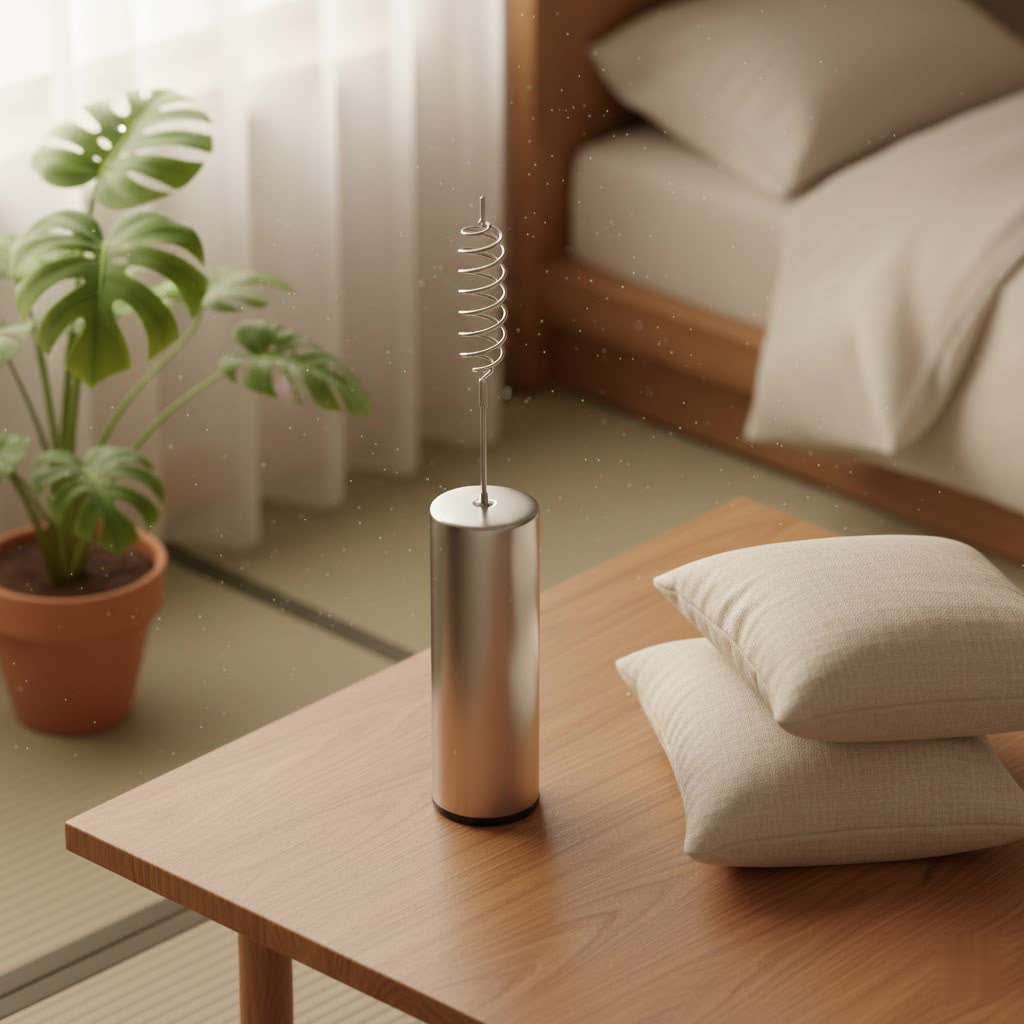
What is a Milk Frother and Why Do You Need One with Your Espresso Machine?
A milk frother is a kitchen appliance designed to aerate milk, creating a light, foamy texture that is indispensable for a wide array of espresso-based drinks. While your espresso machine excels at extracting rich, concentrated coffee, it’s the milk frother that adds the creamy, sweet dimension, transforming a strong shot into a balanced and enjoyable beverage.
The primary benefit of integrating a milk frother into your coffee routine is the ability to produce fine, silky microfoam. This microfoam not only enhances the mouthfeel of your drink but also unlocks the subtle sweetness in milk, making your lattes and cappuccinos taste smoother and more delicious. Beyond taste, a milk frother opens up a world of creative possibilities, allowing you to craft popular beverages like:
- Cappuccinos: Equal parts espresso, steamed milk, and rich foam.
- Lattes: More steamed milk, a thinner layer of foam, perfect for latte art.
- Macchiatos: Espresso “marked” with a dollop of foam or steamed milk.
- Flat Whites: Espresso with finely textured microfoam, no distinct layers.
- Mochas: A chocolate-infused latte.
By preparing these drinks at home, you not only enjoy superior quality tailored to your taste but also achieve significant savings compared to daily café visits. A dedicated milk frother truly completes your home espresso setup, making every cup a luxurious treat.
Types of Milk Frothers: Finding Your Perfect Match for Espresso
The market offers a diverse range of milk frothers, each catering to different needs, budgets, and skill levels. Understanding their unique characteristics is crucial when deciding which type best complements your espresso machine and coffee-making style.
Handheld Milk Frothers
Handheld milk frothers are compact, battery-operated devices featuring a small whisk at the end. They are the most affordable and straightforward option for frothing milk.
- Pros:
- Inexpensive: A great entry-level option for those on a budget.
- Easy to Use: Simply immerse the whisk in pre-heated milk and activate.
- Portable and Compact: Takes up minimal counter or storage space, ideal for small kitchens or travel.
- Versatile: Can froth small quantities of milk for single servings.
- Cons:
- Manual Heating Required: Milk must be heated separately on a stovetop or in a microwave.
- Less Consistent Foam: Foam quality can vary and might not be as fine as with other methods.
- Effort-Intensive: Requires you to hold and operate the device for the duration of frothing.
- Best for: Beginners, occasional users, those with limited space, or individuals who prioritize affordability and simplicity.
|
Our Picks for the Best Milk Frother in 2026
As an Amazon Associate I earn from qualifying purchases.
|
||
| Num | Product | Action |
|---|---|---|
| 1 | Milk Frother, Paris Rhône 4-in-1 Milk Steamer and Frother, Hot & Cold Foam Milk Warmer with Temperature Control, Auto Shut-Off Frothers for Coffee, Latte, Cappuccino, Macchiato |

|
| 2 | VIPDIGI 7-IN-1 Milk Frother, 20.3 OZ Milk Frother and Steamer with Temperature Control Stainless Steel Electric Milk Frother Dishwasher Safe Hot and Cold Foam for Latte Hot Chocolate Cocoa (Black) |
|
| 3 | SIMPLETASTE Milk Frother, 4-in-1 Electric Milk Steamer, Automatic Warm and Cold Foam Maker and Milk Warmer for Latte, Cappuccinos, Macchiato |
|
| 4 | Zulay Kitchen Powerful Milk Frother Wand With 2 Duracell Batteries - Ultra Fast Handheld Drink Mixer - Electric Whisk Foam Maker for Coffee, Lattes, Cappuccino, Matcha, Hot Chocolate & Creamer - Black |
|
| 5 | Zulay Powerful Milk Frother for Coffee with Upgraded Titanium Motor - Handheld Electric Whisk, Milk Foamer, Mini Mixer & Coffee Blender for Frappe, Latte, Matcha, No Stand - Silver |
|
| 6 | Instant Pot Milk Frother, 4-in-1 Electric Milk Steamer, 10oz/295ml Automatic Hot and Cold Foam Maker and Milk Warmer for Latte, Cappuccinos, Macchiato, From the Makers of Instant 500W, Black |
|
| 7 | SIMPLETaste Milk Frother Handheld Battery Operated Electric Foam Maker, Drink Mixer with Stainless Steel Whisk and Stand for Cappuccino, Bulletproof Coffee, Latte |
|
| 8 | SIMPLETASTE Milk Frother, 4-in-1 Electric Milk Steamer, Automatic Warm and Cold Foam Maker and Milk Warmer for Latte, Cappuccinos, Macchiato |
|
| 9 | Milk Frother, COLDFILL 8-in-1 Milk Frother and Steamer, 400ml Large Capacity Hot & Cold Foam Milk Warmer, Frothers for Coffee with Heating Function, Quiet, Dishwasher Safe |
|
| 10 | VorChef Commercial Milk Frother, 2500W 110V Automatic Steam Boiling Water Machine Electric Steam Milk Frothing Machine Espresso Coffee Milk Foam Machine Steamer with LED Display for Coffee Tea Shop |
|
Electric Milk Frothers
Electric milk frothers are standalone appliances that automatically heat and froth milk with the touch of a button. They offer greater convenience and often produce more consistent results than handheld models.
- Pros:
- Automated Operation: Heats and froths milk simultaneously with minimal effort.
- Consistent Results: Designed to create smooth, consistent foam textures.
- Multiple Settings: Many models offer various temperature and foam settings (e.g., hot foam, cold foam, warm milk).
- Easy to Clean: Often feature non-stick interiors and detachable parts.
- Cons:
- Higher Price Point: More expensive than handheld frothers.
- Counter Space: Requires dedicated counter space.
- Capacity Limitations: May be limited in the amount of milk they can froth at once.
- Best for: Regular users seeking convenience, consistency, and a hands-off approach to milk frothing, especially those without an integrated steam wand on their espresso machine.
Steam Wand Frothers (Integrated with Espresso Machines)
Steam wands are typically found on semi-automatic and automatic espresso machines, utilizing pressurized steam to heat and texturize milk directly. This method is favored by baristas for creating professional-grade microfoam.
- Pros:
- Superior Microfoam: Capable of producing the finest, silkiest microfoam perfect for latte art.
- Precise Control: Allows for manual adjustment of milk temperature and texture (with practice).
- Simultaneous Operation: On some dual-boiler machines, you can brew espresso and steam milk at the same time.
- Cost-Effective (Integrated): If purchasing an espresso machine anyway, a built-in wand saves the cost of a separate frother.
- Cons:
- Learning Curve: Mastering a steam wand requires practice and technique.
- Requires Cleaning: Wands need to be purged and wiped immediately after each use to prevent milk residue buildup.
- Temperature Control Issues (Single Boiler): Some single-boiler machines require temperature surfing, making it harder to pull a shot and steam milk simultaneously.
- Best for: Coffee enthusiasts, aspiring home baristas, and those who prioritize maximum control over milk texture for advanced drinks and latte art. Some machines feature “pannarello” wands which simplify the frothing process for beginners but offer less control over foam quality.
Integrated vs. Separate Milk Frothers: Making the Right Choice
When building your home coffee station, a critical decision is whether to opt for an espresso machine with an integrated milk frother (like a steam wand or an automatic milk system) or to purchase a standalone milk frother to accompany a basic espresso maker. Each approach offers distinct advantages and disadvantages, impacting convenience, control, and overall cost. Super-automatic espresso machines, for instance, often integrate the entire process, from grinding beans to frothing milk, into a single, streamlined device, offering unparalleled ease of use but often at a higher price point.
| Feature | Integrated Milk Frother (e.g., Steam Wand, Auto System) | Separate Milk Frother (e.g., Electric, Handheld) |
|---|---|---|
| Price | Often included in the espresso machine’s higher cost | Typically lower initial investment |
| Foam Quality | Potential for professional microfoam (steam wand) | Varies from basic to excellent (electric frothers) |
| Speed | Can be very fast, especially super-automatic systems | Varies, electric frothers are generally quick |
| Convenience | High, especially one-touch automatic systems | Moderate, separate steps for frothing |
| Control | High (manual steam wand), low (automatic systems) | High (manual frothers), moderate (electric) |
| Size | Space-saving (all-in-one unit) | Takes up additional counter/storage space |
| Maintenance | Can be complex for internal milk systems | Easier to clean individual components |
| Repair Cost | Potentially higher if a single component fails | Lower, as components can be replaced separately |
Choosing an integrated system often means greater convenience, as all functions are housed in one unit, saving valuable counter space. These machines can produce consistent results with minimal effort, making them ideal for busy mornings. However, they may offer less manual control over the milk texture, which can be a drawback for those who enjoy perfecting their latte art.
On the other hand, a separate milk frother provides superior flexibility and control, allowing you to fine-tune the foam to your exact preferences. This separation also means that if one component breaks, you only need to repair or replace that specific item, rather than the entire espresso machine. While it might mean an extra appliance on your counter, a separate frother can offer a more customized and potentially higher-quality frothing experience, especially for those seeking to create delicate microfoam.
Choosing the Right Espresso Machine and Milk Frother (Buying Guide)
Selecting the perfect espresso machine and milk frother combination is an investment in your daily coffee ritual. By considering a few key factors, you can ensure your choice aligns perfectly with your preferences and lifestyle.
Assess Your Coffee Habits and Desired Drinks
Start by thinking about the types of coffee drinks you enjoy most frequently. Do you crave robust espressos, creamy lattes, or foamy cappuccinos? If milk-based drinks are your priority, an excellent milk frother is non-negotiable. Consider how many milk-based drinks you’ll be making daily and for how many people. A high-capacity electric frother or a robust steam wand is better for multiple servings. If you’re passionate about latte art, a manual steam wand on a semi-automatic espresso machine will offer the precision you need, though it comes with a learning curve. If convenience is paramount, a super-automatic machine with an integrated, one-touch milk system might be more suitable.
Budget Considerations
Your budget will significantly influence your options. Handheld frothers are the most affordable, followed by electric frothers, and then integrated systems on espresso machines. Entry-level espresso machines with basic steam wands can be found at reasonable prices, while high-end super-automatic machines with advanced milk systems represent a significant investment. Remember that while a coffee machine with a built-in frother might seem more expensive upfront, it could be more cost-effective in the long run than buying two separate high-quality appliances.
Key Features to Look For
- Frother Type: Decide between manual (handheld, steam wand) or automatic (electric frother, integrated automatic system).
- Capacity: Ensure the frother can handle the volume of milk you typically need.
- Heating Capabilities: If you prefer hot foamed milk, choose a frother that heats milk internally. Handheld and some manual frothers require pre-heating the milk.
- Adjustable Settings: Look for options like different foam textures (e.g., airy for cappuccino, dense for latte) and temperature control if customization is important to you.
- Ease of Cleaning: Milk residue can be stubborn. Removable, dishwasher-safe parts and automatic cleaning cycles (for integrated systems) can save time and effort.
- Durability and Build Quality: Stainless steel components generally offer better longevity.
Reputable Brands
Opting for well-known brands often ensures better product quality, reliability, and customer support. Brands like Breville, De’Longhi, Smeg, Nespresso, and Instant Pot are frequently cited for their quality espresso machines and milk frothers. Researching these established names can provide a good starting point.
Read Reviews and Expert Opinions
Before making a final decision, consult user reviews and expert assessments. These provide real-world insights into a product’s performance, durability, and any potential drawbacks. Pay attention to comments regarding milk frothing quality, ease of use, and maintenance.
Top Espresso Machine and Milk Frother Combinations
While specific models and prices are ever-changing, certain types of espresso machines and frothers consistently stand out for their ability to deliver excellent coffee and milk drinks at home. The best choice for you will depend on your specific needs, skill level, and budget.
- For the Aspiring Barista: Semi-automatic espresso machines with a high-quality manual steam wand are often recommended. These machines, such as the Breville Barista Express or Breville Bambino Plus, offer significant control over espresso extraction and milk texturing, allowing you to hone your barista skills and create true microfoam for latte art. They require a bit of practice but offer unparalleled results.
- For Convenience Seekers: Super-automatic espresso machines, like the De’Longhi Dinamica Plus or Terra Kaffe TK-02, provide an all-in-one solution. They grind beans, brew espresso, and automatically froth milk with minimal effort, often at the touch of a button. These are perfect for those who want café-quality drinks without the manual involvement.
- For Pod System Users: Nespresso machines combined with an Aeroccino milk frother (often sold together or separately) offer a convenient and consistent way to enjoy espresso-based milk drinks. The Nespresso Vertuo with its accompanying frother is a popular choice for its simplicity and speed.
- Budget-Friendly Options: Pairing a basic entry-level espresso machine (e.g., De’Longhi Stilosa) with an affordable standalone electric milk frother (like the Instant Pot MagicFroth) can provide a capable setup for delicious lattes and cappuccinos without breaking the bank. Handheld frothers with pre-heated milk are another economical option.
Mastering Your Espresso Machine and Milk Frother: Tips for Perfect Froth and Maintenance
Achieving consistently perfect milk froth is an art, but with a few key tips and proper maintenance, you can master your espresso machine and milk frother to create delightful beverages every time.
Tips for Perfect Milk Froth
- Start with Cold Milk: Cold milk froths better and offers more time to incorporate air before it heats up. Keep your milk refrigerated until just before use.
- Choose the Right Milk: Whole milk generally froths best due to its fat content, creating a rich, creamy texture. However, many plant-based milks, especially those labeled “barista blends” (like oat or almond milk), are specifically formulated to froth well.
- Use a Cold Pitcher: If using a steam wand, a cold stainless steel pitcher helps keep the milk cool for longer, allowing for better aeration.
- Proper Steam Wand Technique:
- Purge the Wand: Always purge your steam wand before and after use to clear any condensed water or milk residue.
- Positioning: Submerge the tip of the wand just below the surface of the milk to create a “hissing” sound, incorporating air. Then, submerge it slightly deeper to create a “whirlpool” effect, heating the milk and integrating the air for a silky texture (microfoam).
- Temperature: Aim for a temperature between 140-150°F (60-65°C). The pitcher will become too hot to hold comfortably.
- Tap and Swirl: After frothing, tap the pitcher gently on the counter to remove any large bubbles, then swirl the milk to integrate the foam into a silky texture before pouring.
- Electric Frother Use: For electric frothers, ensure you don’t overfill the carafe, as this can lead to overflow or poor frothing. Most models have clear “max fill” lines for frothing and heating.
Maintenance and Cleaning
Proper cleaning and maintenance are crucial for the longevity of your equipment and the hygiene of your drinks. Milk can quickly spoil and clog frothers if not cleaned promptly.
- Steam Wands: Immediately after each use, wipe the steam wand with a damp cloth and purge it briefly to clear any milk residue from the tip. Deep clean regularly by soaking the tip in a descaling solution if it becomes clogged.
- Electric Frothers: Many electric frothers have non-stick interiors that can be wiped clean with a damp cloth. Some carafes are dishwasher-safe, but always check the manufacturer’s instructions. Ensure all detachable parts are cleaned regularly.
- Integrated Milk Systems: For super-automatic machines with integrated milk carafes or tubes, follow the manufacturer’s cleaning cycles diligently. These often involve rinsing and steaming functions. Disassemble and manually clean components as instructed to prevent blockages.
- Descaling: Regularly descale both your espresso machine and milk frother (if applicable and specified by the manufacturer) to prevent mineral buildup, which can affect performance and taste.
Common Issues and How to Fix Them
- No Foam or Poor Foam Quality: Ensure your milk is cold and fresh. Check that your steam wand or frother is clean and not clogged. For steam wands, adjust your technique; you might not be incorporating enough air.
- Too Many Large Bubbles: For steam wands, you might be incorporating too much air too quickly or not submerging the wand enough to create the whirlpool effect for integration. Tap and swirl more vigorously.
- Milk Not Heating: Check power connections for electric frothers. For steam wands, ensure the machine has reached steaming temperature.
- Foul Smell/Taste: This is almost always due to old milk residue. Thoroughly clean all milk-contacting parts immediately after each use.
Delicious Recipes to Make with Your Espresso Machine and Milk Frother
Once you’ve mastered your espresso machine and milk frother, a world of delightful coffee drinks awaits! Experiment with different milk types, syrups, and toppings to create your perfect cup.
- Classic Cappuccino: Brew a single or double shot of espresso into a pre-warmed cup. Steam 4-5 oz of milk until it’s about one-third liquid and two-thirds airy foam. Pour the steamed milk into the espresso, holding back the foam slightly with a spoon, then spoon the remaining foam on top.
- Velvety Latte: Pull a shot of espresso into a larger mug. Steam 6-8 oz of milk to a silky, uniform microfoam (less air than a cappuccino). Pour the milk into the espresso, tilting the cup and using a smooth motion to create latte art if desired.
- Caramel Macchiato: Brew espresso into a tall glass. Add vanilla syrup (optional). Steam milk until it’s mostly hot milk with a small layer of foam. Pour the steamed milk into the glass, allowing the espresso to “mark” the foam as you pour. Drizzle generously with caramel sauce.
- Rich Mocha: Add 1-2 tablespoons of chocolate syrup to your cup. Brew espresso directly over the chocolate and stir to combine. Steam milk to a latte-like consistency and pour it into the chocolate espresso mixture. Top with whipped cream and a sprinkle of cocoa powder or chocolate shavings.
- Iced Latte: Brew espresso and let it cool slightly. Fill a glass with ice and add milk. Pour the cooled espresso over the milk and ice. Optionally, use a cold froth setting on your electric frother to add a layer of cold foam on top.
- Spiced Chai Latte: Combine a strong chai concentrate with hot water (or just use brewed chai tea). Steam milk to your desired consistency and pour into the chai mixture. Garnish with a sprinkle of cinnamon or nutmeg.
“The true magic of an espresso machine isn’t just in the coffee, but in its potential to create creamy, comforting milk drinks that transport you to your favorite café. It’s about empowering you to be your own barista.”
Conclusion
The synergy between an espresso machine and a milk frother is what truly elevates home coffee brewing from a simple necessity to an enjoyable craft. Whether you opt for the hands-on artistry of a steam wand or the effortless convenience of an automatic frother, integrating these tools into your kitchen unlocks an extensive menu of rich, texturally satisfying beverages. From the perfectly layered cappuccino to the smooth, art-ready latte, having the right equipment empowers you to customize your drinks, experiment with flavors, and consistently achieve café-quality results. Investing in a quality espresso machine and milk frother not only saves money in the long run but also transforms your daily coffee routine into a delightful and creative experience. Which delectable coffee creation will you master first with your new setup?
Frequently Asked Questions
What is the primary difference between a steam wand and an electric milk frother?
A steam wand uses high-pressure steam from an espresso machine to heat and aerate milk, offering precise control for creating fine microfoam ideal for latte art. An electric milk frother, on the other hand, is a standalone appliance that automatically heats and whisks milk to create foam, prioritizing convenience and ease of use over manual control.
Can I make cold foam with a milk frother?
Yes, many electric milk frothers include a “cold froth” setting, allowing you to create creamy, chilled foam without heating the milk. Handheld frothers can also be used to froth cold milk, which can then be added to iced coffees or other cold beverages.
Is it hard to learn how to use an espresso machine with a steam wand?
Learning to master a steam wand requires practice, especially to achieve perfect microfoam for latte art. However, with patience and consistent effort, many home baristas find it a rewarding skill. Some espresso machines also feature simpler “pannarello” wands that are easier for beginners to use.
What kind of milk works best for frothing?
Whole milk is generally considered the best for frothing due to its fat and protein content, which creates a stable, creamy foam. However, many “barista blend” plant-based milks (such as oat, almond, or soy milk) are specifically formulated to froth well and can produce excellent results.
How often should I clean my milk frother?
Milk frothers, especially those that come into contact with milk, should be cleaned immediately after each use to prevent milk residue buildup and bacterial growth. Steam wands need to be wiped and purged, while electric frothers should be rinsed or wiped down according to manufacturer instructions. Regular deep cleaning and descaling are also recommended.
