For many, the morning ritual isn’t complete without a perfectly frothed coffee drink. That velvety microfoam transforming a simple cup into a luxurious café-style experience is truly a delight. Whether you dream of a creamy latte, a fluffy cappuccino, or even a rich hot chocolate, achieving that ideal texture at home is easier than you think. This comprehensive guide will explore the world of milk frothers, helping you discover the perfect tool to transform your daily brew into an extraordinary indulgence.
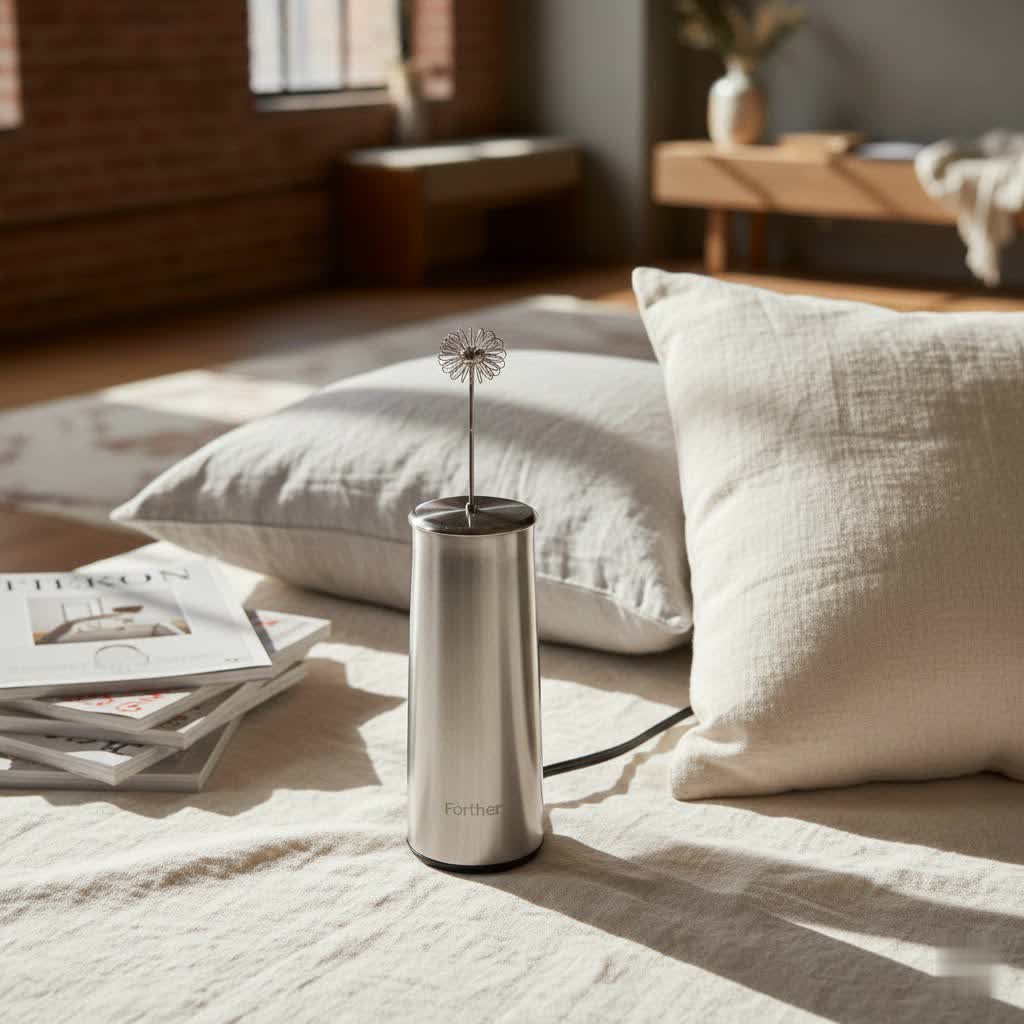
What is a Milk Frother and Why Do You Need One?
A milk frother is a kitchen gadget designed to aerate liquid milk, transforming it into a light, airy froth or a dense, silky microfoam. This process significantly changes the milk’s texture and volume, making it an indispensable tool for crafting a variety of beloved coffeehouse beverages.
Beyond the aesthetic appeal, frothing milk enhances the flavor profile of your drinks. The aeration process brings out the natural sweetness of the milk, creating a richer and more satisfying taste. It also adds a delightful creamy texture that perfectly complements the robust notes of coffee or espresso. Using a milk frother at home saves you time and money, allowing you to enjoy your favorite beverages without frequent trips to the coffee shop. You can easily create classics like cappuccinos, lattes, macchiatos, and even flat whites right in your kitchen.
Popular Types of Milk Frothers
The market offers a diverse range of milk frothers, each catering to different preferences and needs. Understanding their unique characteristics is key to making an informed choice.
Handheld Milk Frothers (Wand Frothers)
Often recognized as the quintessential “milk wand frother,” these devices are compact, battery-operated tools featuring a small whisk at the end. They are incredibly popular for their affordability and ease of use.
- Pros: Handheld frothers are budget-friendly, highly portable, and require minimal counter space. They are perfect for quickly adding a light, airy foam to single servings of coffee or hot chocolate. Their simple operation makes them a great entry point for beginners.
- Cons: These wands typically create froth through agitation, not heat, meaning you’ll need to warm your milk separately. The foam produced tends to be looser with larger, less uniform bubbles, and they generally cannot achieve the fine microfoam desired for latte art.
- Ideal Users: Best suited for occasional users, those on a budget, travelers, or anyone who desires a quick and easy foam topping for their drinks without advanced barista techniques.
|
Our Picks for the Best Milk Frother in 2026
As an Amazon Associate I earn from qualifying purchases.
|
||
| Num | Product | Action |
|---|---|---|
| 1 | VIPDIGI 7-IN-1 Milk Frother, 20.3 OZ Milk Frother and Steamer with Temperature Control Stainless Steel Electric Milk Frother Dishwasher Safe Hot and Cold Foam for Latte Hot Chocolate Cocoa (Black) |

|
| 2 | Zulay Powerful Milk Frother for Coffee with Upgraded Titanium Motor - Handheld Electric Whisk, Milk Foamer, Mini Mixer & Coffee Blender for Frappe, Latte, Matcha, No Stand - Silver |
|
| 3 | Milk Frother, COLDFILL 8-in-1 Milk Frother and Steamer, 400ml Large Capacity Hot & Cold Foam Milk Warmer, Frothers for Coffee with Heating Function, Quiet, Dishwasher Safe |
|
| 4 | Instant Pot Milk Frother, 4-in-1 Electric Milk Steamer, 10oz/295ml Automatic Hot and Cold Foam Maker and Milk Warmer for Latte, Cappuccinos, Macchiato, From the Makers of Instant 500W, Black |
|
| 5 | SIMPLETaste Milk Frother Handheld Battery Operated Electric Foam Maker, Drink Mixer with Stainless Steel Whisk and Stand for Cappuccino, Bulletproof Coffee, Latte |
|
| 6 | Zulay Kitchen Powerful Milk Frother Wand With 2 Duracell Batteries - Ultra Fast Handheld Drink Mixer - Electric Whisk Foam Maker for Coffee, Lattes, Cappuccino, Matcha, Hot Chocolate & Creamer - Black |
|
| 7 | Milk Frother, Paris Rhône 4-in-1 Milk Steamer and Frother, Hot & Cold Foam Milk Warmer with Temperature Control, Auto Shut-Off Frothers for Coffee, Latte, Cappuccino, Macchiato |
|
| 8 | SIMPLETASTE Milk Frother, 4-in-1 Electric Milk Steamer, Automatic Warm and Cold Foam Maker and Milk Warmer for Latte, Cappuccinos, Macchiato |
|
| 9 | VorChef Commercial Milk Frother, 2500W 110V Automatic Steam Boiling Water Machine Electric Steam Milk Frothing Machine Espresso Coffee Milk Foam Machine Steamer with LED Display for Coffee Tea Shop |
|
| 10 | SIMPLETASTE Milk Frother, 4-in-1 Electric Milk Steamer, Automatic Warm and Cold Foam Maker and Milk Warmer for Latte, Cappuccinos, Macchiato |
|
Electric Milk Frothers
Electric milk frothers are standalone countertop appliances that offer a more automated and consistent frothing experience. They often resemble small kettles or jugs with internal heating elements and whisks.
- Pros: These machines can both heat and froth milk with the touch of a button, providing convenience and consistent results. Many models offer multiple settings for hot or cold foam, as well as light or dense textures. They can often produce high-quality microfoam, making them suitable for more sophisticated drinks.
- Cons: Electric frothers are generally more expensive than handheld wands and take up more counter space. While offering automation, they might provide less manual control over the frothing process compared to a steam wand.
- Ideal Users: Perfect for daily users, those seeking consistent café-quality foam with minimal effort, and individuals who want both hot and cold frothing options for a variety of beverages.
Steam Wands (Espresso Machine Integrated)
Often considered the professional’s choice, steam wands are typically integrated into espresso machines. They utilize pressurized hot steam to simultaneously heat and aerate milk.
- Pros: Steam wands produce the highest quality microfoam – a dense, velvety texture with tiny, uniform bubbles ideal for intricate latte art and a truly professional mouthfeel. They offer unparalleled control over milk temperature and texture.
- Cons: These wands come as part of an espresso machine, making them the most expensive option. They also have a significant learning curve, requiring practice and technique to master. They are primarily designed for hot frothing.
- Ideal Users: Suited for serious home baristas, coffee enthusiasts who own an espresso machine, and those dedicated to perfecting latte art and achieving truly professional-grade milk texture.
Comparing Milk Frother Types
To help you visualize the differences, here’s a quick comparison of the main milk frother types:
| Feature | Handheld Milk Frother | Electric Milk Frother | Steam Wand (Espresso Machine) |
|---|---|---|---|
| Price | Low | Medium | High (with espresso machine) |
| Foam Quality | Light, airy | Good, consistent | Excellent microfoam |
| Speed | Fast (manual effort) | Fast (automated) | Very fast (with practice) |
| Convenience | High (portable) | Very High (automated) | Medium (learning curve) |
| Heat Milk? | No (usually) | Yes | Yes |
| Cold Froth? | Yes | Yes (most models) | No |
| Latte Art | Difficult | Possible | Ideal |
| Size | Small | Medium | Large (part of espresso machine) |
Choosing the Right Milk Frother for Your Needs (Buying Guide)
Selecting the perfect milk frother involves considering your lifestyle, preferences, and coffee habits.
Determine Your Usage Needs
Start by thinking about the types of drinks you enjoy and how often you’ll be frothing milk. Do you need a frother for a single morning cappuccino, or will you be making multiple lattes throughout the day? If you’re an occasional frother, a handheld wand might suffice, but for daily use, an electric model offers greater convenience.
Set Your Budget
Milk frothers vary significantly in price. Handheld wands are the most affordable, typically under $20-$30. Electric frothers range from $40 to $150+, while a steam wand is a feature of a much more expensive espresso machine. Determine how much you’re willing to invest based on your usage and desired features.
Consider Desired Features
Look for features that enhance your experience. Do you want a frother that can heat milk automatically? Are cold foam options important for iced beverages? Some electric models offer adjustable temperature settings, different whisk attachments for varying foam densities, or even pre-set programs for specific drinks. For handhelds, consider battery life and ease of cleaning.
Research Reputable Brands
Opting for well-known brands often ensures better quality, durability, and customer support. Look for brands with a strong reputation in coffee accessories or kitchen appliances. While brand names can influence cost, they often guarantee a reliable product.
Read User Reviews
Customer reviews provide invaluable insights into a frother’s real-world performance. Pay attention to comments regarding foam quality, durability, ease of cleaning, noise levels, and how well it handles different types of milk. This can help you avoid common pitfalls and find a product that meets expectations.
Milk Type Compatibility
If you prefer non-dairy milks like oat, almond, or soy, check if the frother performs well with these alternatives. Some frothers are specifically designed or optimized for plant-based milks, which can sometimes be more challenging to froth consistently. “Barista blend” non-dairy milks often contain stabilizers that help them froth better.
Top 3 Milk Frothers for Home Baristas
Based on popular reviews and performance, here are some top picks that cater to different needs and budgets:
Zulay Kitchen Milk Boss Handheld Frother
This iconic “milk wand frother” is a favorite for its simplicity and effectiveness. It’s a battery-operated whisk that quickly creates light, airy foam.
- Pros: Inexpensive, compact, easy to use and clean. Excellent for quick froth on hot or cold drinks.
- Cons: Does not heat milk, produces lighter foam suitable for cappuccinos but not ideal for intricate latte art.
- Best For: Budget-conscious users, travelers, and those who want a simple, portable tool for adding a frothy topping.
Instant Pot Instant MagicFroth Milk Frother
An excellent all-around electric frother that provides consistent results and versatility.
- Pros: Offers multiple foam and heat settings (hot/cold, thick/light foam), produces silky microfoam, and is easy to clean with a dishwasher-safe pitcher. It works well with both dairy and non-dairy milks.
- Cons: Takes up more counter space than a handheld frother.
- Best For: Most home baristas looking for a reliable, automatic frother that offers café-quality results and diverse options for various beverages.
Breville Milk Cafe Electric Frother
Considered a premium option, the Breville Milk Cafe is a splurge that delivers exceptional performance.
- Pros: Features an induction heating system for rapid and consistent heating, precise temperature control, and multiple whisk attachments for different foam textures (latte vs. cappuccino). It’s particularly lauded for its performance with plant-based milks and can even make hot chocolate.
- Cons: Higher price point, larger footprint on the counter.
- Best For: Enthusiasts willing to invest in a high-end, versatile machine that offers superior control and consistent, professional-grade results, especially those who frequently use non-dairy milks.
Tips for Using and Maintaining Your Milk Frother
To get the most out of your milk frother and ensure its longevity, follow these essential tips.
Mastering the Art of Frothing
- Start Cold: Always use cold milk, ideally straight from the refrigerator. Cold milk provides a longer working window, allowing for better aeration and a more stable foam.
- Choose Your Milk Wisely: Whole milk generally froths best due to its fat content, yielding a richer, creamier foam. However, many non-dairy barista blends are formulated to froth effectively.
- Fill Appropriately: Never overfill your frother or pitcher. Milk expands significantly when frothed, so fill it no more than one-third to halfway to prevent spills.
- Proper Technique (Handheld Wand): Submerge the whisk head just below the surface of the milk. Turn it on and move it gently up and down, or in slow circular motions, incorporating air until the milk doubles in volume and reaches your desired frothiness.
- Optimal Temperature (for heating frothers/steam wands): Aim for milk heated between 140°F and 150°F (60°C-65°C). Anything hotter can scorch the milk, negatively impacting flavor and texture.
- Refine the Foam: After frothing, gently tap the bottom of the pitcher on a counter a few times to burst any large air bubbles. Then, swirl the milk to create a glossy, uniform texture before pouring. This helps integrate the foam and liquid for a smoother drink.
> “The secret to superior froth isn’t just the tool, but the technique. Patience and understanding how milk behaves under aeration are paramount.” – Dr. Elena Petrova, Dairy Science & Beverage Innovation Specialist
Cleaning and Maintenance
- Clean Immediately: Milk residues can dry and harden quickly, making them difficult to remove. After each use, rinse your frother or steam wand thoroughly with water.
- Handheld Wands: Simply rinse the whisk head under running water and briefly turn it on to dislodge any milk particles. Wipe the handle clean with a damp cloth.
- Electric Frothers: Most electric frothers have non-stick interiors that are easy to wipe clean with a damp cloth. If the pitcher is detachable, check if it’s dishwasher-safe. Always ensure the electrical base remains dry.
- Steam Wands: After each use, purge the steam wand to clear any milk trapped inside. Wipe the exterior of the wand with a damp cloth to prevent milk from baking onto the metal. Regular descaling (as per your espresso machine’s instructions) is crucial for preventing mineral buildup.
- Storage: Store your frother in a clean, dry place. For handheld wands, consider a stand or drawer where the whisk won’t get bent.
Delicious Recipes with Your Milk Frother
Unlock a world of café-quality beverages with your milk frother. Here are some popular recipes to get you started:
Classic Cappuccino
- Ingredients: 1 shot espresso, 4-5 oz frothed milk (fluffy foam).
- Instructions: Brew a shot of espresso into your cup. Froth your milk to a light, airy consistency. Pour the frothed milk over the espresso, holding back some foam with a spoon, then spoon the remaining foam on top.
Velvety Latte
- Ingredients: 1-2 shots espresso, 6-8 oz steamed milk (silky microfoam).
- Instructions: Brew espresso into a large mug. Steam your milk to a smooth, velvety microfoam texture. Pour the steamed milk steadily into the espresso, aiming to create a thin layer of microfoam on top. Try your hand at latte art!
Rich Macchiato
- Ingredients: 1-2 shots espresso, a “macchia” (stain) of frothed milk.
- Instructions: Brew espresso into a small glass. Froth a small amount of milk to a dense foam. Spoon a dollop of this foam directly onto the espresso.
Indulgent Mocha
- Ingredients: 1-2 shots espresso, 1-2 tbsp chocolate sauce or powder, 6-8 oz steamed milk, whipped cream (optional).
- Instructions: Mix chocolate sauce/powder with freshly brewed espresso in a mug. Stir well. Steam your milk to a creamy texture. Pour the steamed milk over the chocolate-espresso mixture. Top with whipped cream and a drizzle of chocolate, if desired.
Conclusion
A milk frother, whether it’s a simple handheld wand or an advanced electric model, is a transformative tool for any coffee lover. It brings the joy of café-quality beverages right into your home, allowing you to customize your drinks with perfect foam and rich texture. By understanding the different types available and choosing one that aligns with your needs and budget, you can elevate your daily coffee routine into an art form. With proper use and care, your milk frother will serve as a gateway to endless delicious possibilities. So, which frother will help you craft your next perfect cup?
Frequently Asked Questions
Can I froth cold milk with a milk frother?
Yes, many milk frothers, especially electric models, offer a dedicated cold foam setting. Handheld frother wands can also froth cold milk through agitation, but they do not heat it. Cold foam is ideal for iced coffees, cold brews, and refreshing summer drinks.
What’s the best type of milk for frothing?
Whole milk is generally considered the best for frothing due to its fat and protein content, which creates a stable, creamy foam. However, many non-dairy options, particularly “barista blends” of oat, almond, or soy milk, are formulated to froth well and can produce excellent results with the right frother.
